This is a tea e-commerce system built with Spring Boot, Vue, and MySQL. Its core scope includes product display, admin management, paginated queries, and login validation. It addresses common issues in traditional capstone projects such as fragmented documentation, unclear architecture, and poor reusability. Keywords: Spring Boot, Vue, e-commerce system.
The technical specification snapshot outlines the project clearly
| Parameter | Description |
|---|---|
| Project Type | Tea Store / E-commerce Capstone Project |
| Backend Language | Java |
| Frontend Framework | Vue |
| Backend Framework | Spring Boot |
| Database | MySQL |
| Architecture Style | Frontend-Backend Separation, B/S Architecture |
| Persistence Layer Feature | MyBatis-Plus-style Paginated Queries |
| Protocol Style | HTTP / REST-style APIs |
| Star Count | Not provided in the source material |
| Core Dependencies | Spring Boot, Vue, MySQL, MyBatis-Plus |
The system is designed for e-commerce education and capstone scenarios
At its core, this project is a standard small-to-medium vertical e-commerce system focused on tea product sales. The source material shows that Spring Boot handles business services, Vue powers frontend interactions, and MySQL stores core data such as products, users, and orders.
Compared with project introductions that only show UI screenshots, the value of this kind of system lies in its complete demonstration of frontend-backend separation, e-commerce entity modeling, paginated queries, admin management, and basic security testing workflows. That makes it especially suitable for course projects, graduation projects, and practical entry-level Java Web learning.
The system capabilities can be summarized in three layers
The first layer is the storefront shopping experience, including typical capabilities such as product browsing, information display, and user login. The second layer is the admin management capability, including product data maintenance, business data queries, and system operation entry points. The third layer is technical validation, meaning the project can prove its runtime viability through code and test cases.
@Service("shangpinService")
@Transactional
public class ShangpinServiceImpl extends ServiceImpl<ShangpinDao, ShangpinEntity> implements ShangpinService {

    @Override
    public PageUtils queryPage(Map<String, Object> params) {
        // Create a pagination object from request parameters
        Page
<ShangpinView> page = new Query<ShangpinView>(params).getPage();
        // Query product view data and write it into the paginated result
        page.setRecords(baseMapper.selectListView(page, params));
        // Return a unified pagination response object
        return new PageUtils(page);
    }
}
This code shows how the product service layer encapsulates paginated query capabilities in a MyBatis-Plus-style pattern.
The interface demonstration shows a complete business flow
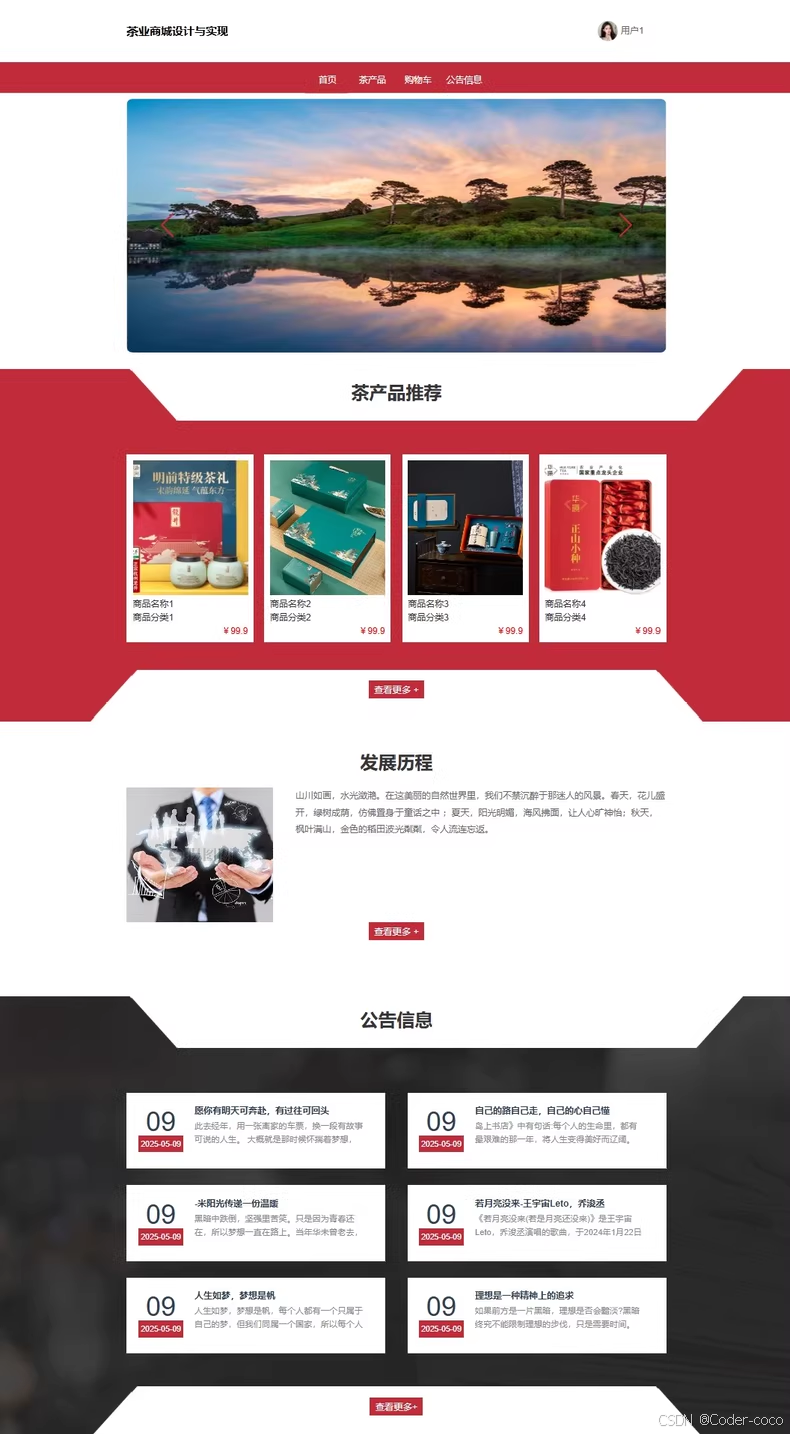 AI Visual Insight: This screenshot shows the main layout of either the storefront or the admin console. You can typically identify a navigation area, a content list area, and action entry points, which indicates that the system has completed basic page routing and business module partitioning.
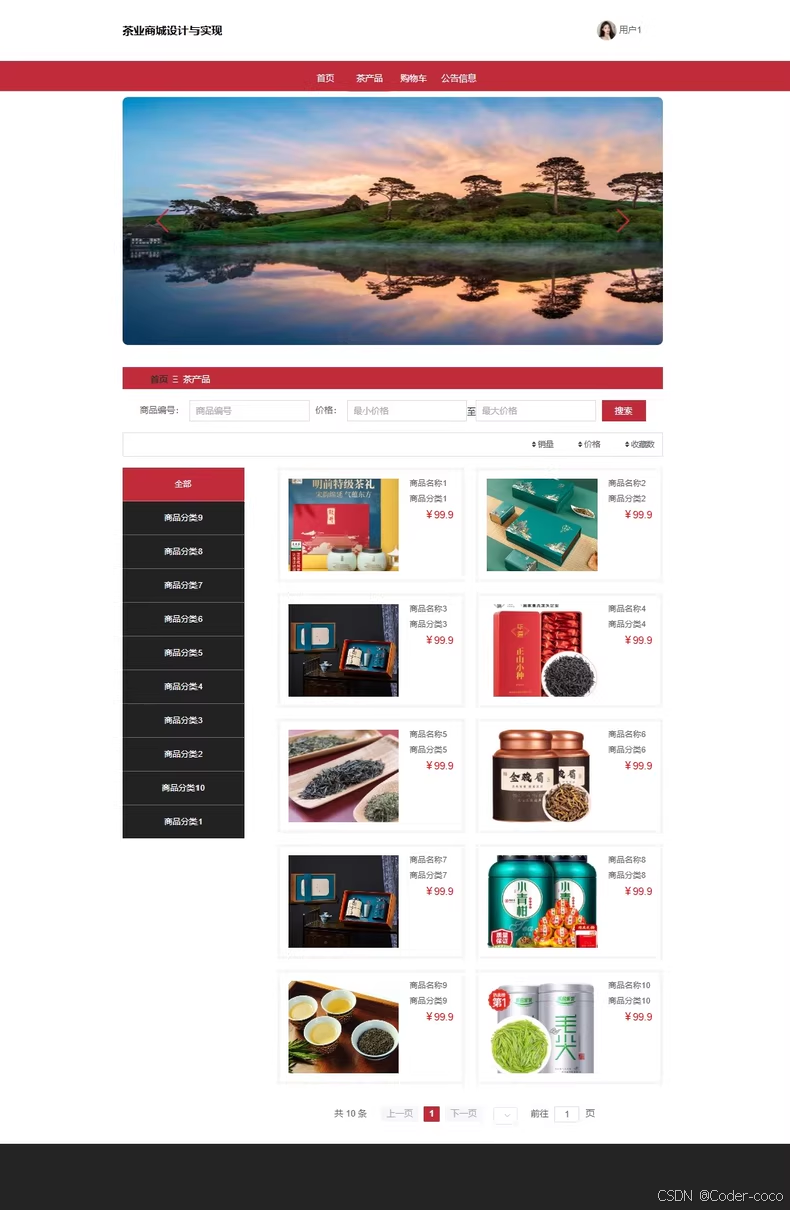 AI Visual Insight: This screen most likely corresponds to a product list or data table page. It suggests that the system uses a tabular management model to handle product information, category information, or order information, which is well suited to backend CRUD scenarios.
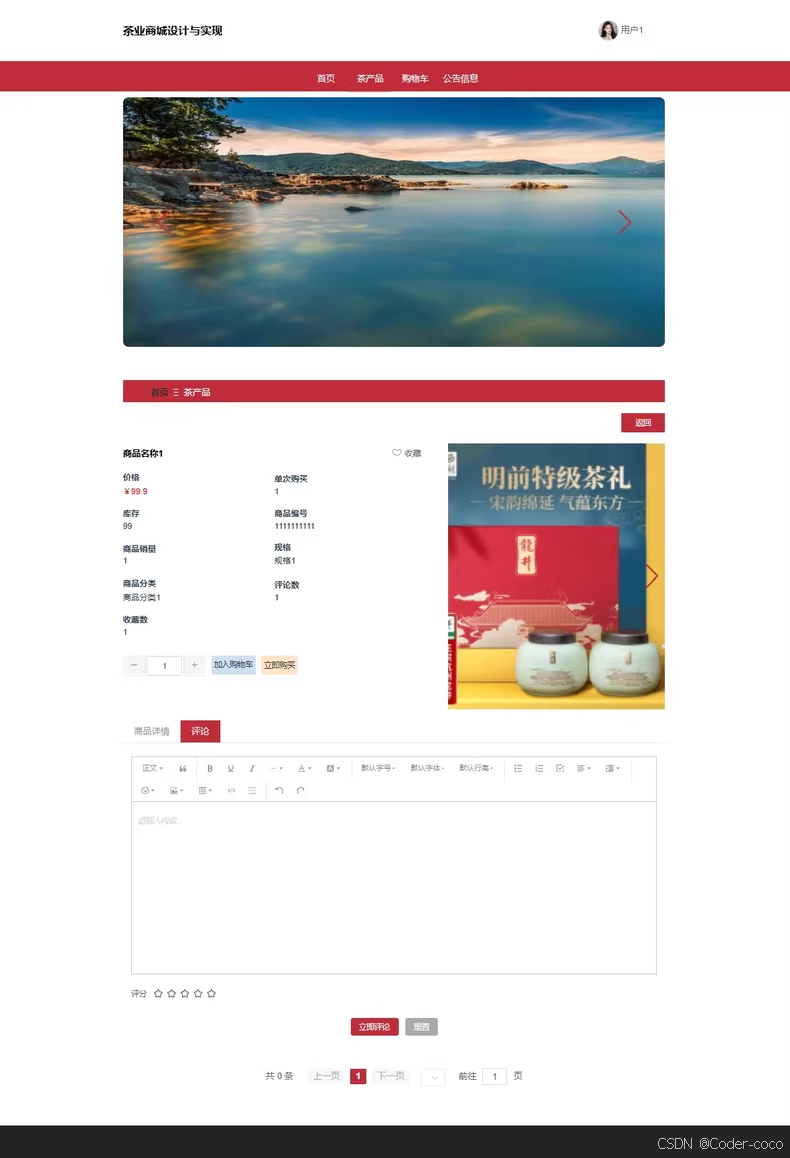 AI Visual Insight: This image reflects a form input or detail maintenance screen. It usually includes input fields, dropdowns, upload areas, and submit buttons, indicating that the frontend already supports data editing and form value backfilling.
The technology stack is a key reason this project is practical to implement
Spring Boot reduces the XML and boilerplate configuration common in traditional SSM projects, making it well suited for quickly building REST APIs, transaction management, and service layering. For capstone projects, it lowers the barrier to entry while preserving the mainstream structure used in enterprise development.
Vue adds value through component-based development and reactive rendering. In an e-commerce system, product lists, search areas, order views, and admin forms can all be split into independent components. This improves reusability and also makes the collaboration boundary between frontend and backend much clearer.
MySQL handles the core business data
In this system, MySQL mainly stores structured data such as products, users, and orders. Although the source material does not provide the table schema, the test cases and service code suggest that the system includes at least the data tables required for login authentication, product queries, and backend management.
SELECT id, shangpin_name, price, stock
FROM shangpin
WHERE shangpin_name LIKE '%绿茶%'
ORDER BY id DESC
LIMIT 0, 10;
This SQL reflects the typical access pattern for e-commerce product list queries: filtering, sorting, and pagination.
The system architecture reflects standard layered design principles
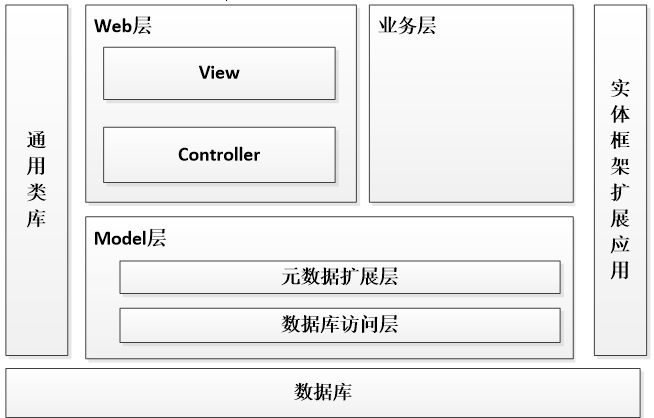 AI Visual Insight: This architecture diagram shows the relationships between the frontend presentation layer, the business service layer, and the database layer. It indicates that the system follows a classic layered architecture that separates page interaction, business logic, and data persistence for easier maintenance and expansion.
Based on the code snippet, the project includes at least layered objects such as Controller, Service, Dao, Entity, and View. This means it is more than a collection of demo pages. It is closer to a standardized Java Web project skeleton.
This layered structure is especially friendly to secondary development. For example, if you want to add features such as tea categories, inventory alerts, or order review, you only need to extend interfaces, services, and data objects along the existing layers instead of refactoring the entire project.
The test results show that basic security and usability are covered
The source material provides login module test samples, including successful login, incorrect password, empty username, empty password, and special-character injection tests. This indicates that the system considers input validation and basic security protection rather than serving only as a static UI demo.
Test Target: Login API
- Correct username and password: should enter the homepage successfully
- Incorrect password: should display a username or password error
- Empty username: should prompt the user to enter a username
- Empty password: should prompt the user to enter a password
- Injection characters: should block abnormal input and record logs
These test cases cover both functional correctness and basic security.
The project is better suited as a teaching reference than a production-grade store
Based on the source content, the project emphasizes the completeness of deliverables such as source code, database, and documentation, as well as fit for graduation project defense scenarios. Its core value is helping learners understand project structure, feature organization, and common Java e-commerce modules, rather than directly handling large-scale commercial traffic.
If you want to strengthen it further, the top priorities should be JWT authentication, shopping cart checkout, order status transitions, object storage for files, API authorization, and operation logs. These capabilities would help evolve it from a demo-level project into a deployable practice system.
FAQ structured answers
Is this tea e-commerce system suitable for a graduation project?
Yes. It covers Spring Boot, Vue, MySQL, paginated queries, admin management, and test cases, which can satisfy the functional and technical presentation requirements of most Java Web capstone projects.
What are the most valuable technical points to learn from this project?
The most valuable areas are the frontend-backend separation architecture, Service-based business encapsulation, MyBatis-Plus-style paginated queries, and the organization of form-based and list-based admin pages.
If I want to extend the project, which modules should I modify first?
You should prioritize user authentication, order flow, shopping cart, payment simulation, product categories, and permission control. These modules best demonstrate how the system can evolve from a demo project into a more realistic business system.
Core Summary: This article reconstructs a tea e-commerce system built with Spring Boot, Vue, and MySQL, extracting its functional modules, technical architecture, pagination implementation, and test cases. It is well suited as a reference for e-commerce practice projects, course design, and graduation projects.