Low-code is a software development paradigm centered on visual modeling, metadata-driven architecture, and workflow orchestration. Its goal is to significantly shorten delivery cycles, lower the barrier to development, and improve business collaboration efficiency while preserving extensibility. It primarily addresses slow enterprise application delivery, limited IT capacity, and complex system integration. Keywords: low-code platform, visual development, digital transformation.
The technical specification snapshot outlines the core characteristics of low-code platforms
| Parameter | Description |
|---|---|
| Technical Paradigm | Low-Code Development Platform (LCDP) |
| Core Languages | Typically supports extensions in Java, JavaScript, Python, SQL, and more |
| Core Protocols | HTTP/HTTPS, REST API, OAuth, Webhook |
| Typical Architecture | Model-driven architecture, metadata engine, workflow engine, rule engine |
| GitHub Stars | Not provided in the source; platform products are typically not evaluated primarily by GitHub stars |
| Core Dependencies | Component libraries, database connectors, workflow engines, permission systems, integration interfaces |
The essence of low-code is a shift from code-first to model-first development
Low-code does not mean “no code.” Instead, it abstracts large amounts of repetitive development work into models, components, and configuration. Developers first define page models, data models, workflow models, and permission models, and then the platform interprets and executes them at runtime or generates deployable applications.
The value of this approach is clear: it standardizes boilerplate code, makes business rules visual, and productizes the delivery process. The outcome is not to replace engineers, but to let engineering teams focus on complex logic and business-critical capabilities.
Traditional development: Requirements -> Design -> Coding -> Integration Testing -> Deployment
Low-code development: Requirements -> Modeling -> Configuration -> Extension -> Release
This comparison shows that low-code compresses repetitive coding and communication overhead, not system design itself.
Low-code builds applications through three core engine categories
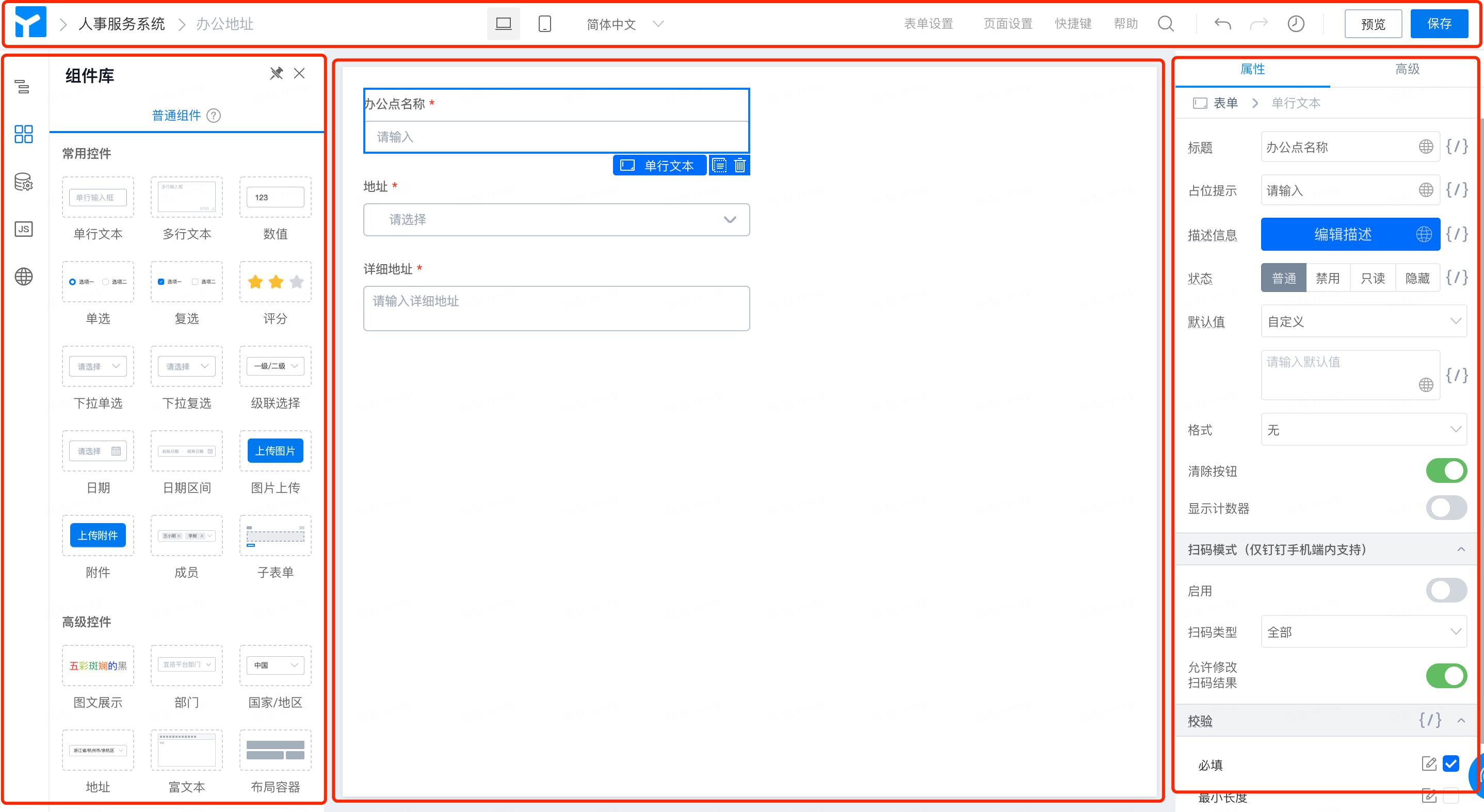
Visual interface design assembles front-end components into executable pages
Platforms typically provide components such as forms, tables, charts, buttons, and layout containers. Developers build pages through drag-and-drop interactions and then configure fields, validation, events, and interaction logic.
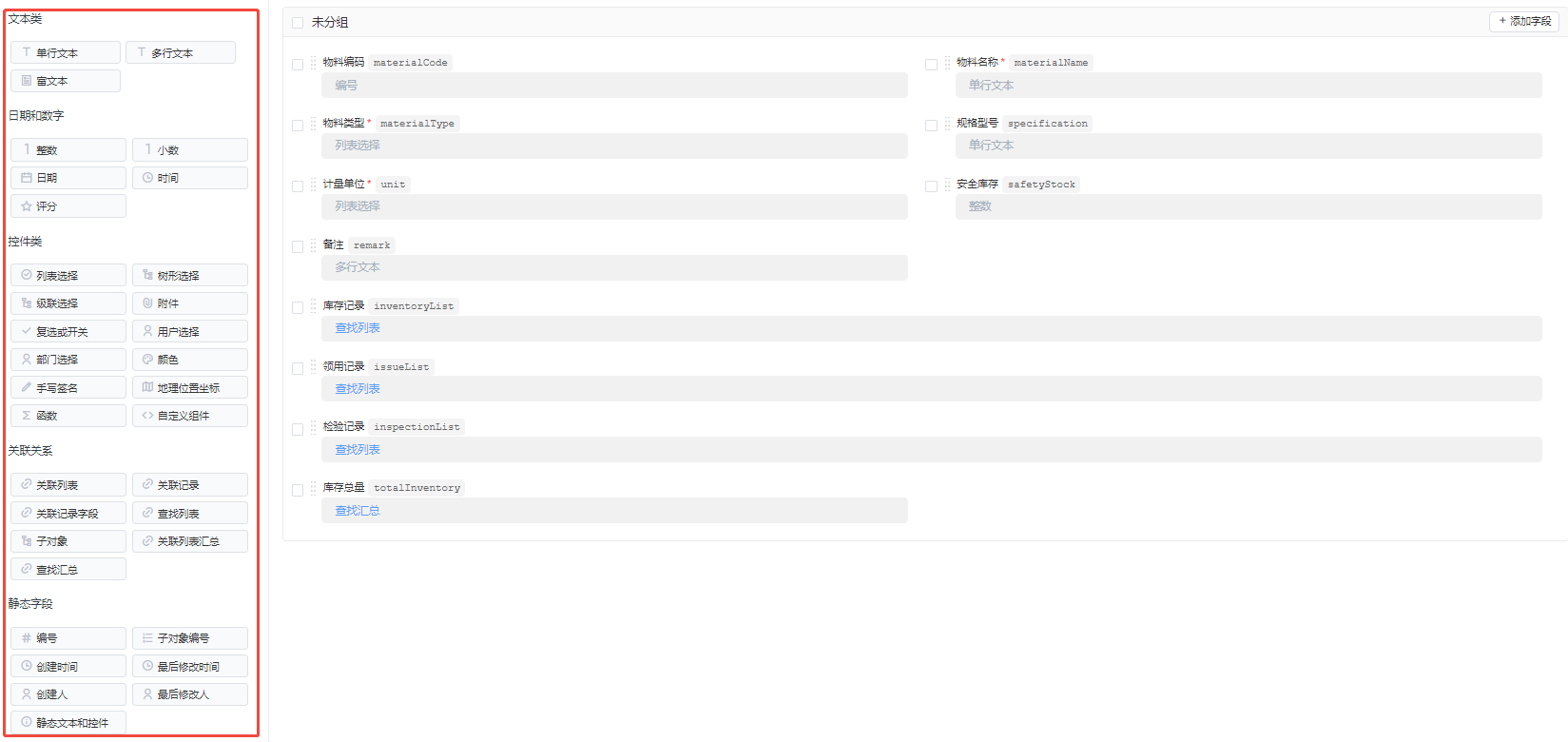 AI Visual Insight: The image shows a typical low-code designer interface. The left side contains the component panel, the center is the canvas, and the right side is the property configuration panel. This three-pane structure indicates a declarative UI modeling approach in which developers complete page layout through drag-and-drop and parameterized configuration instead of writing HTML/CSS directly.
 AI Visual Insight: The image highlights a form or page editing scenario, showing that component-level properties can be configured with fine granularity, such as field labels, default values, visibility conditions, and validation rules. This reflects the platform’s integrated modeling capability for both UI behavior and business constraints.
const pageModel = {
  components: [
    { type: "input", field: "name" }, // Name input field
    { type: "table", field: "orders" } // Orders table component
  ]
};
This example shows that a page can essentially be abstracted into a structured model.
Automated data modeling maps business objects into data structures
In traditional development, teams must manually write table creation SQL, field types, relationships, and permission controls. Low-code platforms move these steps into a visual modeler. Developers only need to define entities, fields, and relationships, and the platform automatically generates data storage and base APIs.
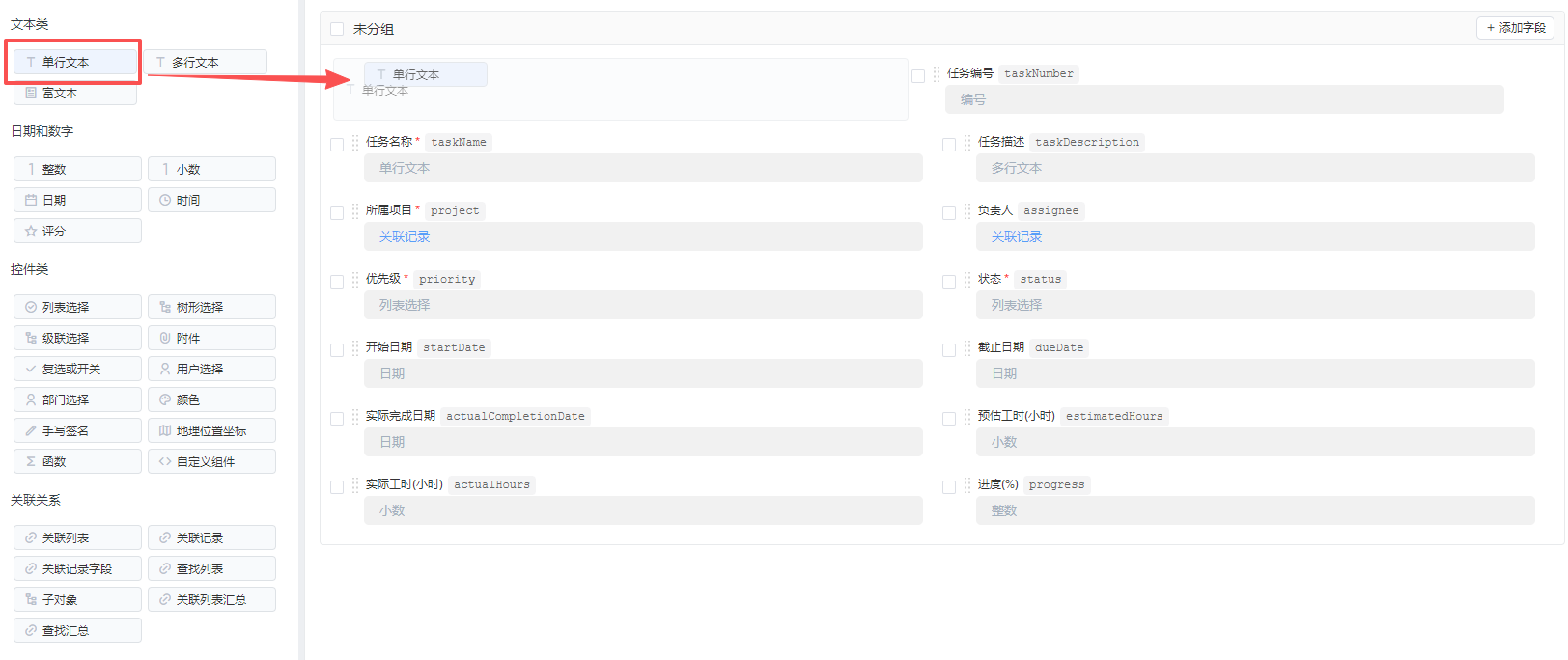 AI Visual Insight: The image shows a drag-and-drop data modeling interface, indicating that the platform unifies field design, table structure definition, and component mapping into a single design flow. This reduces the disconnect between database design and front-end form definition.
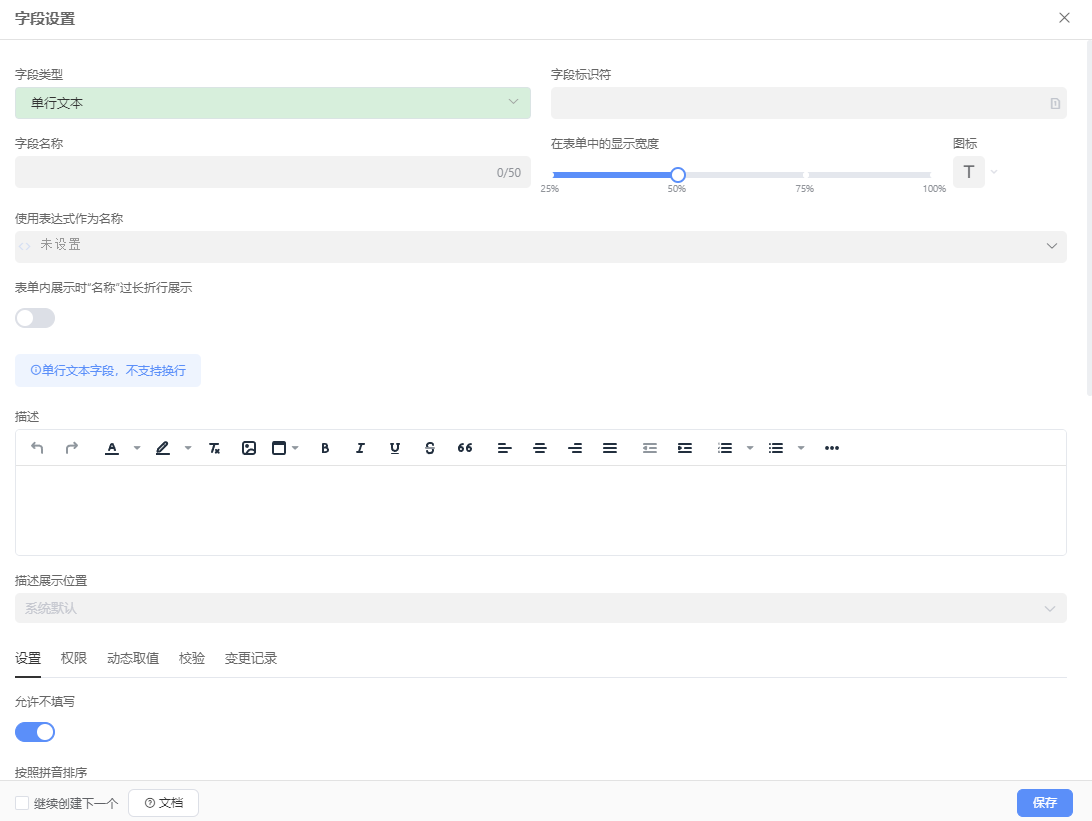 AI Visual Insight: The image appears to show a field property configuration interface, typically including field name, identifier, type, permissions, and relationships. This suggests that the platform relies on metadata to describe database structure and supports upfront control over data governance capabilities.
CREATE TABLE customer (
  id BIGINT PRIMARY KEY,
  name VARCHAR(100), -- Customer name
  level VARCHAR(20)  -- Customer tier
);
In a low-code platform, this SQL is typically generated automatically from model configuration.
Workflow and rule engines carry enterprise business logic
The real moat in low-code is usually not the page layer, but the workflow layer. Approvals, routing, conditional branching, message notifications, and permission checks all fundamentally depend on workflow engines and rule engines working together.
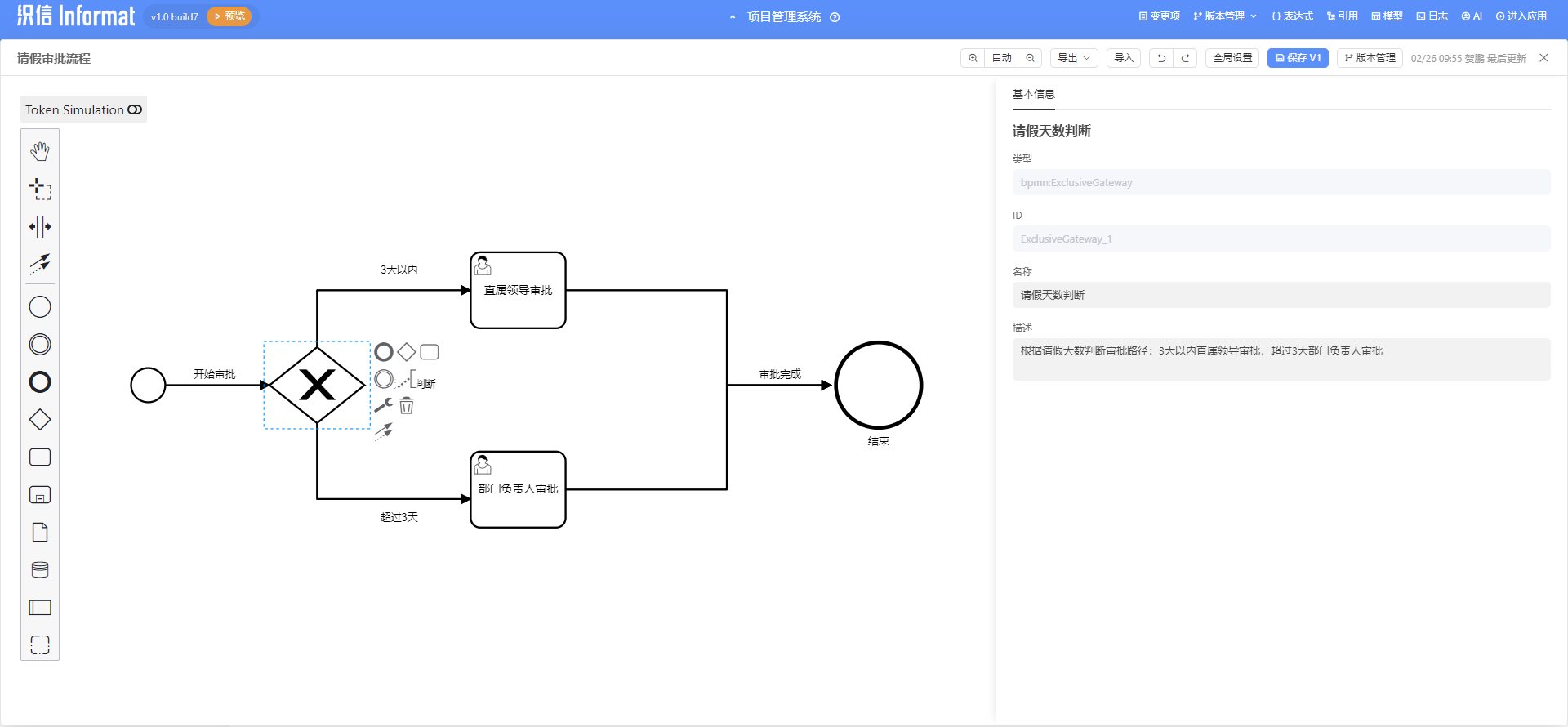 AI Visual Insight: The image depicts a workflow node orchestration interface with connected edges, demonstrating the capabilities of a BPM-style visual workflow engine. Each node typically corresponds to a task, condition, approval, or system action, while the connections represent state transitions and execution order.
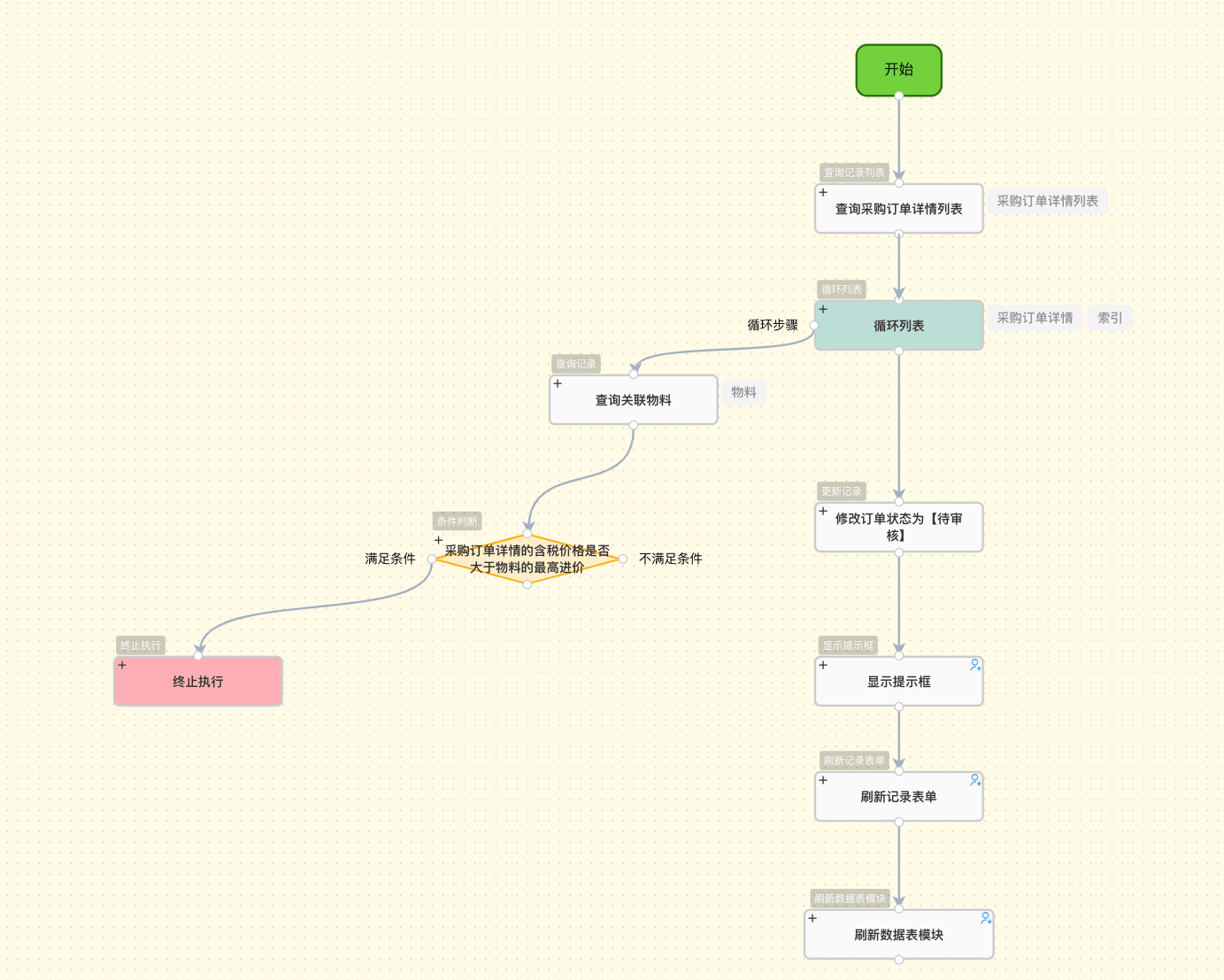 AI Visual Insight: The image shows a rule configuration or conditional expression setup scenario, indicating that the platform elevates traditional if-else logic into business-readable rule configuration. This supports approval routing, risk control, and dynamic decision-making.
amount = 1200
if amount > 1000:  # Amounts over 1000 require manager approval
    approver = "manager"
else:  # Otherwise, route to supervisor approval
    approver = "supervisor"
In low-code platforms, this kind of business rule is usually maintained through expressions or rule forms.
Low-code is gaining momentum because of supply-demand pressure and AI convergence
The rise of low-code is not accidental. First, enterprise demand for digitalization continues to grow while the supply of professional developers remains limited. Second, the SaaS and API ecosystem has matured, giving platforms stronger integration capabilities. Third, AI has made it increasingly realistic to generate pages, workflows, and scripts from natural language.
The source references IDC and Gartner viewpoints showing that the low-code market remains in a high-growth phase, and enterprise application development will continue evolving toward a hybrid model of configuration first and code as an extension.
 AI Visual Insight: The image appears to be a market size or growth trend chart, emphasizing that the low-code market will maintain strong compound growth over the next several years. For enterprise decision-makers, this means low-code has evolved from an edge tool into a mainstream digital infrastructure option.
The value of low-code is concentrated in four dimensions
It significantly shortens delivery cycles and reduces repetitive work
Once standard capabilities such as forms, CRUD, approval workflows, and reports are prebuilt by the platform, project teams can spend more energy on business design instead of reinventing common features. This efficiency gain is especially visible in internal system development.
It improves collaboration between business and technical teams
Low-code allows business stakeholders to participate directly in prototype design, rule adjustments, and workflow confirmation. Requirement expression shifts from documents to models, which reduces communication cost and shortens feedback cycles.
It is best suited for highly standardized enterprise scenarios
Examples include OA systems, CRM modules, ERP support modules, expense approval, inspection reporting, data collection, and operational dashboards. It is not suitable for scenarios that require highly customized UI, complex real-time computation, graphics engines, or deep hardware control.
Suitable scenarios:
  - Internal management systems
  - Approval workflows and process automation
  - Data collection and reporting analytics
Unsuitable scenarios:
  - Highly customized consumer-facing applications
  - Complex algorithmic systems
  - Embedded systems and hardware-coupled systems
This list shows that low-code excels at standardized business digitization rather than every kind of software.
Enterprises must prioritize governance and integration when adopting low-code
Low-code is easy to start with, but that does not mean organizations can let it expand without governance. Enterprises need clear policies on which applications are suitable for low-code, who is responsible for development, maintenance, auditing, and release, and how data permissions inherit from the existing security framework.
At the same time, the real value of a platform depends on its integration capability. If it cannot connect ERP, CRM, OA, messaging systems, and identity platforms, the new system can easily become another data silo.
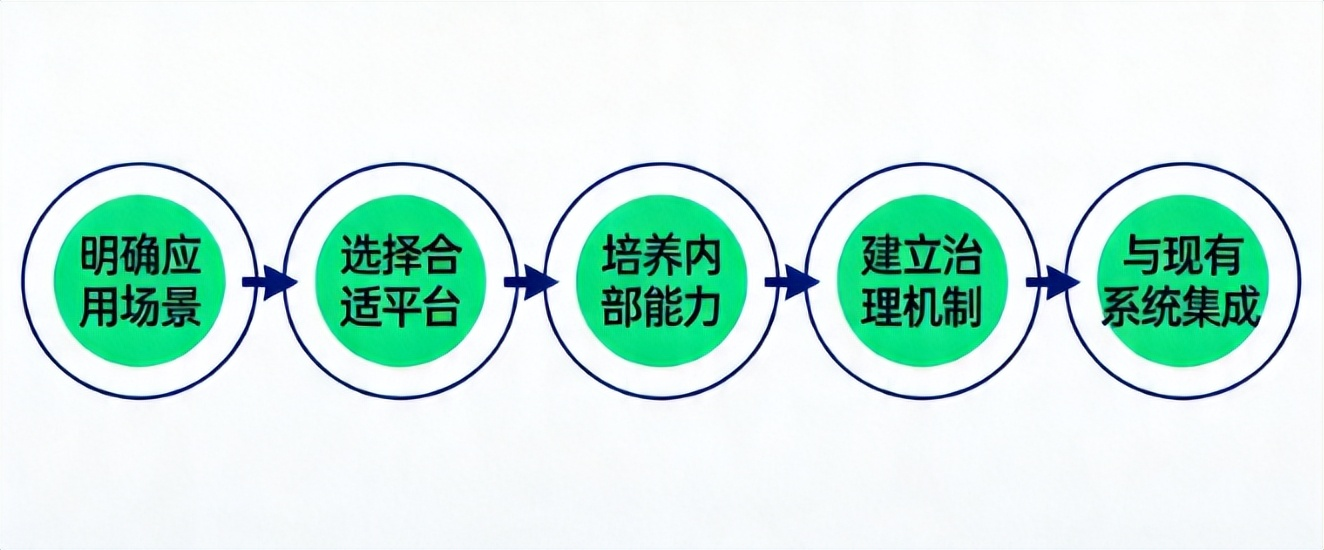 AI Visual Insight: The image appears to depict an enterprise application architecture or integration topology. It shows the low-code platform positioned between multiple business systems, acting as a middle platform for workflow orchestration, data aggregation, and rapid application development.
Mainstream platforms can be understood in three categories: enterprise-grade, ecosystem-driven, and global platforms
Domestic enterprise-grade platforms place more emphasis on complex scenarios and localization compatibility
Zhixin, Authine, and Huozige represent different paths among domestic enterprise low-code platforms: model-driven architecture, integrated low-code and no-code, and spreadsheet-driven development. Their shared characteristics include support for complex business scenarios, code extensibility, and compatibility with domestic technology stacks.
 AI Visual Insight: The image shows an enterprise low-code product interface or solution diagram, typically including modules such as forms, workflows, and analytics. This indicates that such platforms are positioned not as point tools, but as foundational application development platforms that can cover multiple business domains.
Ecosystem-driven platforms are better suited for SMBs that need fast access to existing workplace ecosystems
Yida is built on DingTalk, WeDa is built on the WeChat ecosystem, and Jiandaoyun leans more toward no-code. Their core advantage is not maximum complexity handling, but mature collaboration entry points, lower onboarding cost, and faster deployment.
 AI Visual Insight: The image most likely emphasizes integration with workplace or social ecosystems, reflecting that these platforms treat messaging, approvals, organizational directories, and mobile entry points as default infrastructure. That makes them well suited for light to medium business application scenarios.
International platforms are better suited for global deployment and high-complexity scenarios
OutSystems, Mendix, and Zoho Creator represent different routes respectively: high-complexity enterprise applications, industrial scenario integration, and lightweight global deployment. If an enterprise needs multinational deployment, industrial connectivity, or a mature international ecosystem, these platforms usually offer stronger advantages.
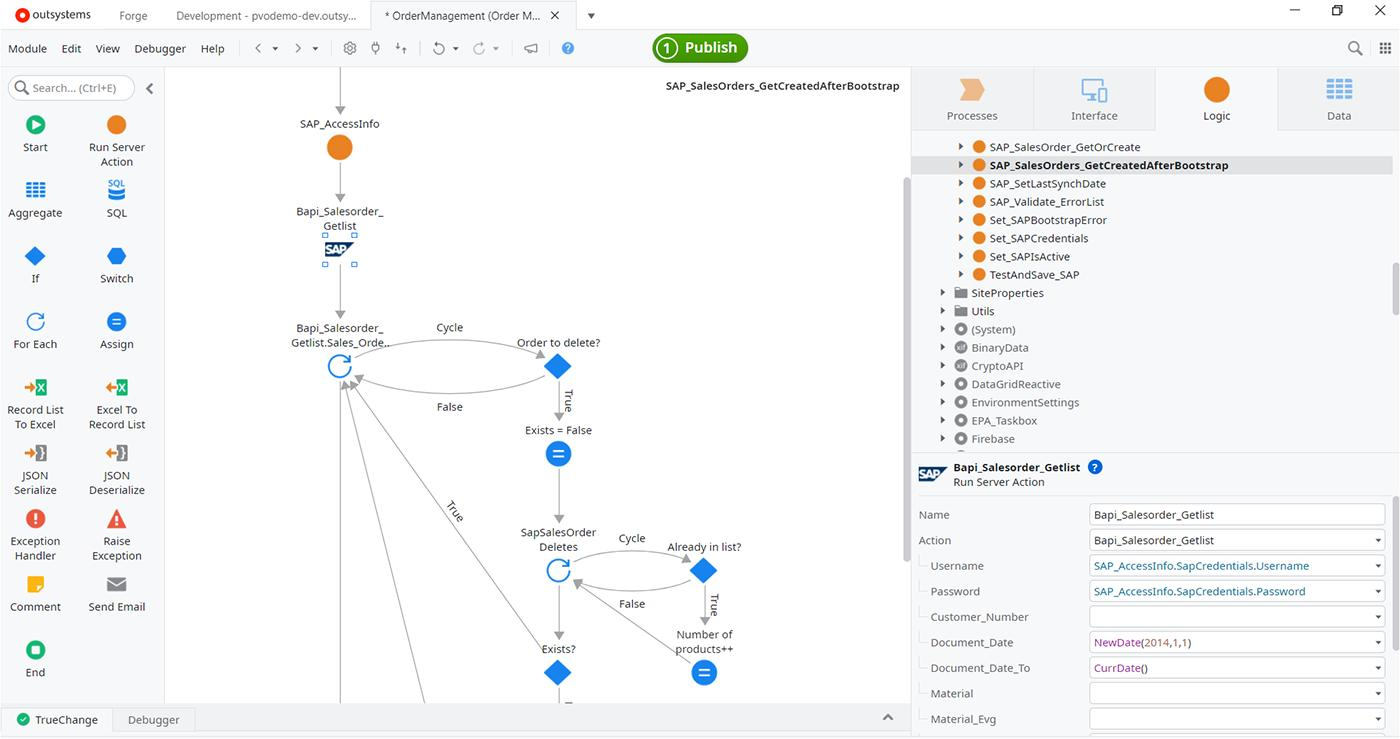 AI Visual Insight: The image appears to be a product view or capability map for international low-code platforms, typically highlighting DevOps, AI assistants, multi-channel publishing, and enterprise integration. This suggests that product maturity spans the full lifecycle from development to deployment.
Platform selection should be evaluated across complexity, ecosystem, localization, and AI capability
If the scenario is complex and involves core systems and high concurrency, prioritize model-driven platforms that support code extensibility. If the enterprise is already deeply invested in DingTalk or WeCom, prioritize platforms with ecosystem compatibility.
State-owned enterprises, financial institutions, and government organizations should focus heavily on localization compatibility and security audit capabilities. In the AI era, teams should also evaluate whether the platform supports natural language modeling, script generation, workflow optimization, and intelligent assistants.
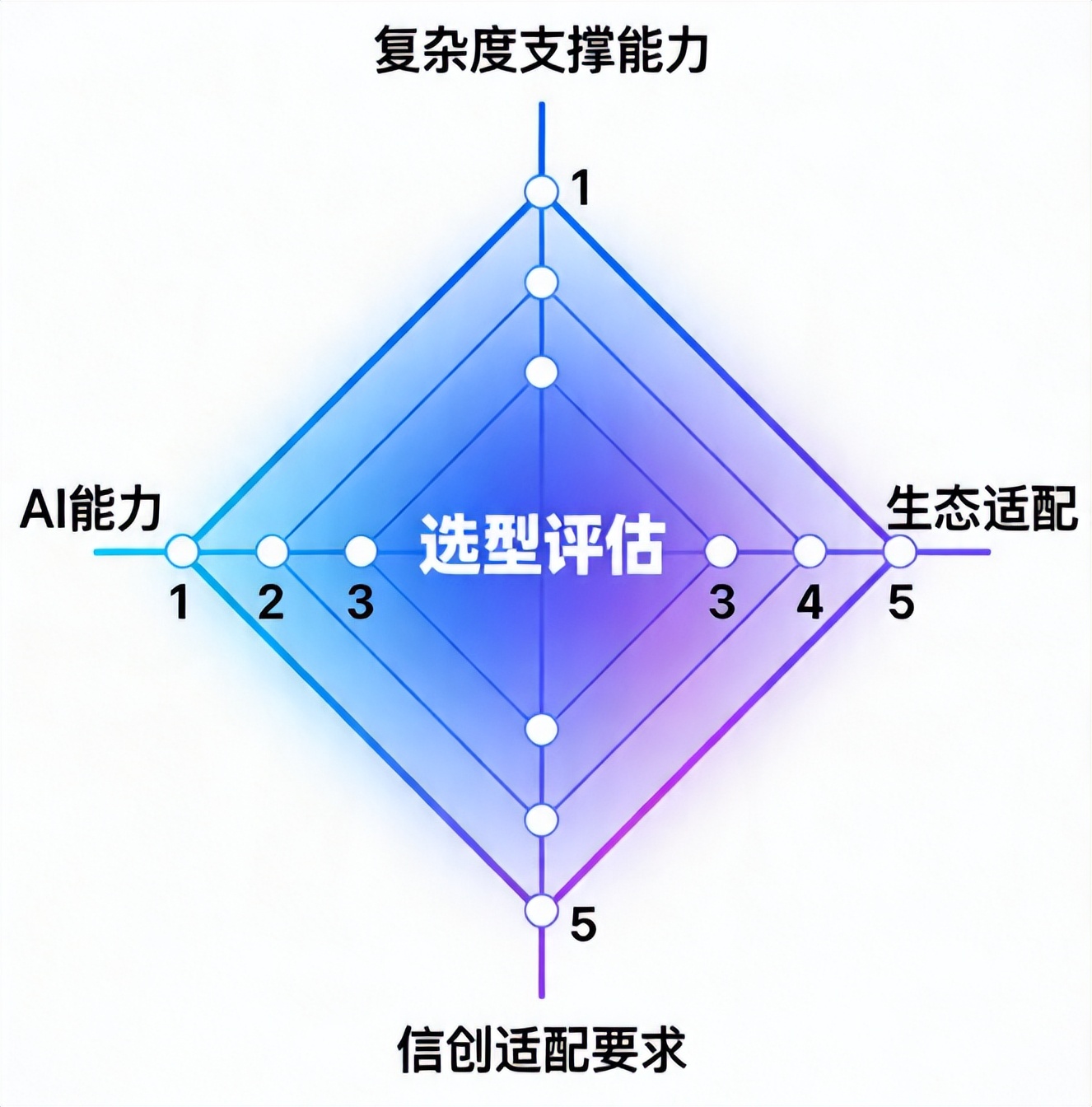 AI Visual Insight: The image appears to be a platform evaluation chart, quadrant, or capability matrix. It shows that platform comparison requires comprehensive judgment across multiple dimensions rather than only looking at the number of form components or how smooth drag-and-drop feels.
FAQ structured Q&A
Will low-code replace programmers?
No. Low-code replaces repetitive coding and some common development tasks, but programmers still handle architecture design, complex integration, performance optimization, security governance, and extension development.
What is the biggest difference between low-code and no-code?
No-code aims for zero-programming barriers and is better suited for simple business scenarios. Low-code allows limited code-based extension and is better suited for complex enterprise-grade scenarios. The core difference lies in extensibility and the ability to handle complexity.
Where should an enterprise start with low-code for the first time?
A good starting point is approval workflows, data collection, operational reporting, and lightweight management systems. These scenarios have clear requirements, visible ROI, and controllable risk, which makes them ideal for pilot projects.
AI Readability Summary: This article systematically breaks down the definition of low-code development, its technical principles, market drivers, core value, and adoption boundaries. It also provides a structured comparison of mainstream domestic and international platforms and summarizes practical enterprise evaluation strategies to help teams quickly determine whether low-code fits their digital transformation roadmap.