This guide systematically breaks down 8 ways to transfer videos from your phone to a computer across both Android and iPhone, addressing common pain points such as slow large-file exports, unstable wireless transfers, and difficult batch management. Core keywords: transfer videos from phone to computer, Android file transfer, iPhone video backup.
Technical Specifications at a Glance
| Parameter | Details |
|---|---|
| Supported Platforms | Android, iOS, Windows, macOS |
| Transfer Protocols/Methods | USB, Bluetooth, Wi-Fi, cloud sync, email attachments |
| Original Article Engagement | 368 views, 4 likes, 5 saves |
| Tools Covered | iReaShare Android Manager, Google Drive, Link to Windows, iCloud, Windows Photos |
The core takeaway from this guide is that wired transfer remains the most reliable option.
Videos captured on phones keep getting larger. 4K, 60 fps, and HDR files often exceed several gigabytes. In that context, choosing the wrong transfer method usually means slow exports, higher failure rates, and scattered files that become harder to manage.
The original article lists 8 approaches. After restructuring them, they fall clearly into three categories: wired direct transfer, wireless sync, and lightweight sharing. If your goal is reliable backup, USB should be the default choice in most cases. If you prioritize seamless synchronization, cloud services are a better fit. If you only need to send a short clip temporarily, email or Bluetooth may be enough.
# Recommendations for choosing a transfer method
# Large files / batch transfer: prioritize USB or a desktop management tool
# Cross-device / remote access: prioritize cloud storage or iCloud
# Temporary small files: use Bluetooth or email
These rules help you choose the right technical path based on file size and usage scenario.
Android devices provide stronger batch control capabilities.
Method 1 is the desktop management tool iReaShare Android Manager. Its value is not simply that it can transfer files, but that it lets you preview, filter, and batch export content. That makes it especially useful for users who frequently export videos from Android phones. The original article also emphasizes that it supports both USB and Wi-Fi connections and can manage photos, contacts, messages, and other data types.
 AI Visual Insight: This image presents a cover-style visual for phone video migration, highlighting the data flow from mobile devices to desktop systems. It works well as an overview image for a multi-device file sync tutorial, but it does not show detailed interface operations.
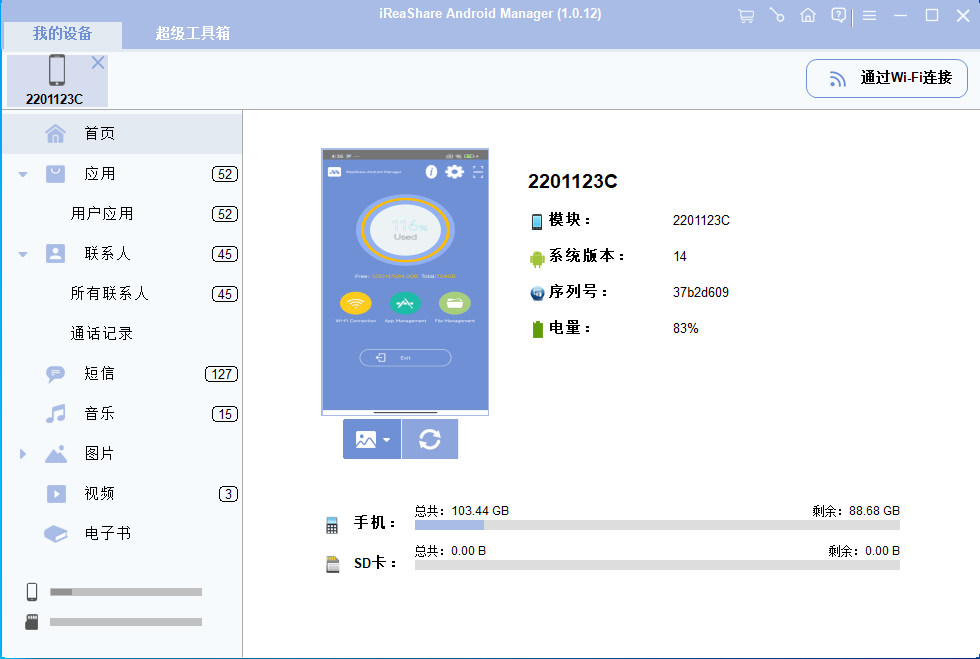 AI Visual Insight: This image shows the main interface of a desktop phone management app after it detects an Android device. It typically includes a data category tree on the left, a file list on the right, and an export action area at the top, indicating that the tool supports structured browsing and selective export rather than blind one-time transfer.
Android management tools work best for preview-before-transfer workflows.
Compared with a system file manager, these tools make it easier to browse videos by media type in one place, reducing the time spent digging through DCIM and nested folders. This matters especially for content creators, operations teams, and anyone who needs to archive media on a regular basis.
videos = ["clip1.mp4", "clip2.mov", "clip3.mp4"]
selected = []
for item in videos:
    if item.endswith((".mp4", ".mov")):  # Filter only common video formats
        selected.append(item)  # Add to the export queue
print(selected)  # Simulate export after batch selection
This code uses minimal logic to simulate a batch workflow of previewing, filtering, and then exporting.
The advantage of wireless transfer is convenience, while its weakness is speed and stability.
Bluetooth is the most basic wireless option. Its main advantage is that it requires no extra app, but the downside is equally obvious: it is slow. It works for a single short video, but not for album-scale batch migration.
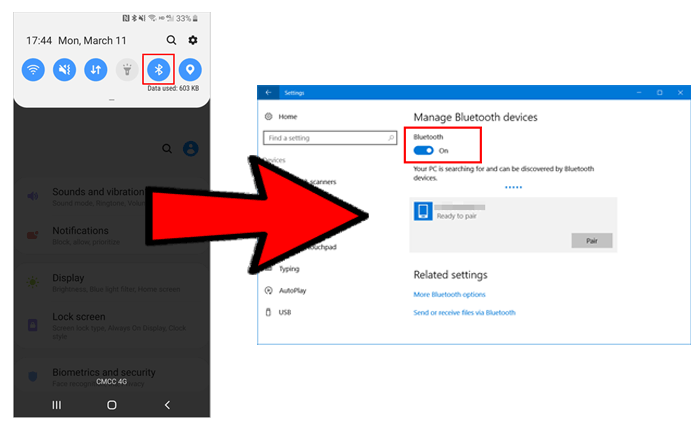 AI Visual Insight: This image shows the Bluetooth pairing process between a phone and a computer. Key details typically include device discovery, pairing code confirmation, and file receiving status, indicating that the Bluetooth workflow depends on OS-level pairing rather than app-layer synchronization.
Google Drive is better suited for cross-location and cross-device access. You upload videos from your phone first, then download them on the computer. The workflow is straightforward, but it depends on a stable network and is constrained by cloud storage capacity and upload time.
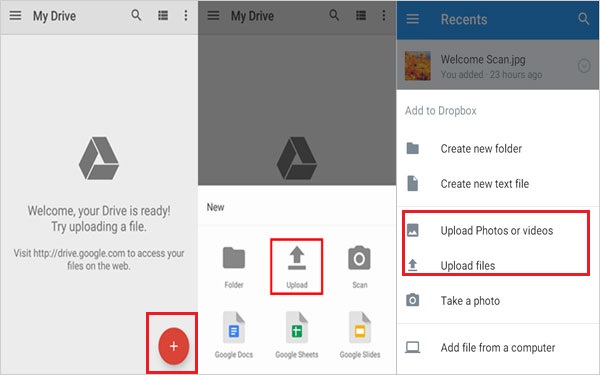 AI Visual Insight: This image shows the upload entry point in the Google Drive mobile app, with emphasis on the “+” button and upload options. It reflects the fact that this method uses the cloud as an intermediate layer before downloading on the desktop, making it suitable for remote synchronization rather than high-speed local transfer.
Microsoft Link to Windows is closer to a lightweight integration method. It lets a PC directly access media content on an Android device, but the original article notes that it does not support downloading multiple videos at once. That makes it better for temporarily dragging and dropping a single file.
 AI Visual Insight: This image shows the interface used to connect an Android phone and a Windows PC through a Microsoft account. The technical focus typically includes permission grants, same-network connectivity, and the media browsing panel, reflecting that this method relies on account binding and local network coordination rather than traditional file mounting.
iPhone users are generally better served by sync-based methods.
iCloud Photos is a strong fit for users in the Apple ecosystem. Its main experience advantage is automation: once enabled on the phone, photos and videos sync to the computer after you sign in with the same account. However, it is not ideal when you want fine-grained control over transferring only a few specific files.
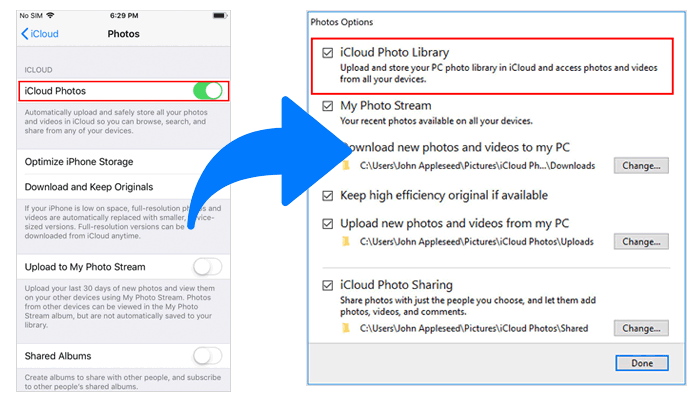 AI Visual Insight: This image shows the iCloud Photos settings area on an iPhone. The key technical points are the photo sync toggle and its relationship to the Apple ID, indicating that video transfer through this path is a system-level background sync process rather than a one-time manual export.
If you only care about high success rates and high throughput, USB remains the baseline option for both Android and iPhone. On Android, you typically need to switch the connection mode to File Transfer. On iPhone, you need to tap Trust This Computer and then copy videos from the DCIM directory.
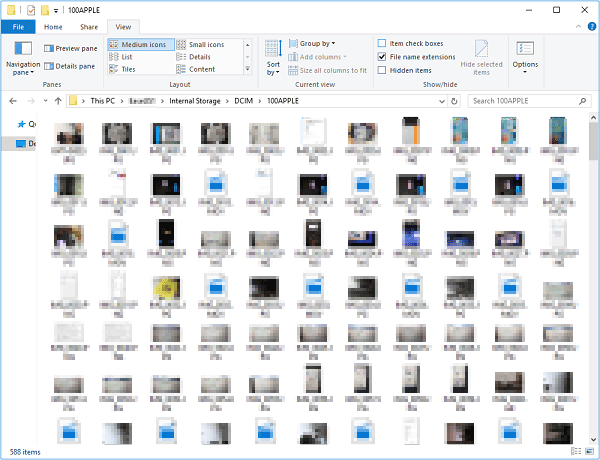 AI Visual Insight: This image shows the file access path after a phone is connected to Windows over USB. The technical focus is device recognition, MTP file transfer mode, or the iPhone internal storage mount entry, showing that this method bypasses the cloud and wireless links to deliver higher throughput and lower failure rates.
# Check whether the mobile device is connected in Windows
Get-PnpDevice | Where-Object { $_.FriendlyName -match "Phone|iPhone|Android" }
# After successful detection, use File Explorer to copy files
This command helps you quickly verify whether the system has recognized the phone.
Lightweight sharing methods are suitable only for temporary tasks.
Email attachments are highly universal, but attachment size limits mean they are only suitable for a few short videos or compressed files. They are not a good option for transferring original-quality media assets.
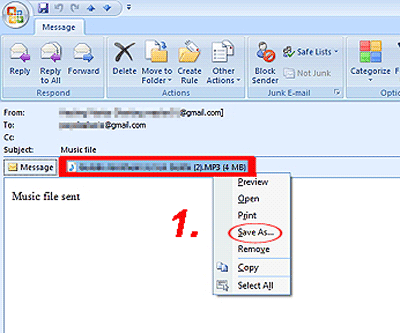 AI Visual Insight: This image shows the interface of a mobile email client while composing a message and adding attachments. It reflects that this method depends on the email system’s attachment mechanism. Its advantage is platform independence, while its downside is strict limits on per-email size and upload speed.
Windows Photos is a native option that many users overlook. After connecting the phone, you can use Import > From a USB device to pull in videos. It is a good fit for Windows users who do not want to manually browse folders.
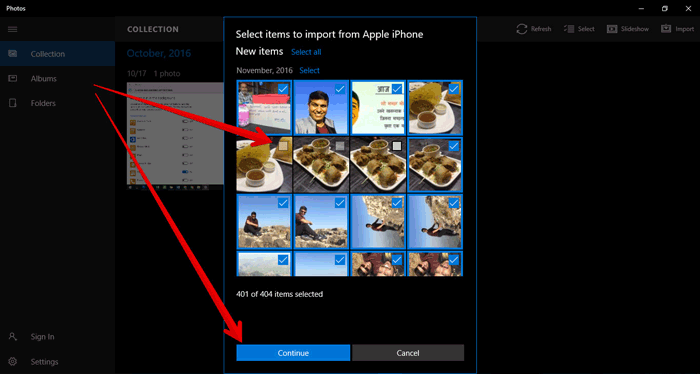 AI Visual Insight: This image shows the import flow in the Windows Photos app. Key details include USB device scanning, media thumbnail selection, and import confirmation, indicating that it is essentially a graphical importer for photos and videos that lowers the barrier to file system operations.
Your choice should be based on file size and management needs.
If you frequently export Android videos in batches, start with a desktop management tool or USB. If you are fully invested in the Apple ecosystem, iCloud offers a more convenient automatic sync experience. If your transfers are only occasional, a data cable and built-in system tools are usually enough.
From an engineering perspective, transfer success depends on three things: link quality, file size, and directory control. USB provides a stable link, cloud storage provides cross-device reachability, and management software provides batch control. None of these fully replaces the others; the right choice depends on the scenario.
FAQ
Q1: What is the fastest way to transfer videos from a phone to a computer?
A: For large files and batch transfers, USB is usually the fastest option, followed by a dedicated desktop management tool. Bluetooth and email are significantly slower, while cloud drive performance depends on your upload bandwidth.
Q2: Why can’t I see all videos after connecting my iPhone to a computer?
A: Common causes include not tapping Trust This Computer, videos not being downloaded locally from iCloud yet, or the system exposing only the media directories under DCIM. Check the local storage status first, then export again.
Q3: Why do wireless transfers fail so often?
A: The most common reasons are network instability, insufficient background permissions, files that are too large, or target apps that do not support batch processing. For large video files, switch to USB first or compress the files before transferring.
Core Summary: This article restructures 8 mainstream ways to transfer videos from Android and iPhone to a computer, covering USB, Bluetooth, cloud drives, phone linking, iCloud, email, and Windows Photos. It compares speed, stability, batch capabilities, and best-fit scenarios so you can quickly choose the most suitable transfer method.