GPT Image 2 is OpenAI’s next-generation image generation model. Its core strengths include high-accuracy text rendering, photorealistic output, interface generation, and local editing—addressing the long-standing issues of garbled text, an overly obvious “AI look,” and weak controllability in traditional AI image generation. Keywords: GPT Image 2, AI image generation, prompt engineering.
The technical spec snapshot highlights the model at a glance
| Parameter | Details |
|---|---|
| Model Type | Multimodal image generation model |
| Ecosystem | OpenAI / ChatGPT |
| Interaction Method | Natural language prompts, image editing |
| Typical Access Points | ChatGPT web app, official mobile app |
| Popularity Signal | The original article showed 22 likes and 7 saves |
| Core Capabilities | Text rendering, photorealistic generation, UI design, local editing |
| Core Dependencies | ChatGPT product entry point, image generation workflow |
GPT Image 2 marks AI image generation entering the commercial-grade era
The significance of GPT Image 2 is not simply higher image clarity. It pushes image generation from “loot-box-style creation” toward “deliverable production.” The source material indicates that OpenAI has defined it as a next-generation image model, while also signaling the gradual retirement of the DALL-E line.
For developers, designers, and content teams, the real change is improved output consistency. The most common problems in the past included broken text, distorted hands, unbalanced compositions, and outputs drifting off-topic as soon as prompts became slightly complex. GPT Image 2 appears to address these weaknesses directly.
This generation’s upgrade is fundamentally about controllability
The model no longer focuses only on generating images that “look close enough.” It is much closer to generating images that are actually usable under semantic constraints. That matters even more for highly constrained tasks such as posters, product visuals, UI mockups, and presentation graphics.
Target upgrade path:
Visually acceptable → Usable → Deliverable
Low-fidelity concept images → High-fidelity production images
Random generation → Controlled generation
This progression shows that GPT Image 2’s core improvement is its shift from a creative toy to a production tool.
Five capability breakthroughs define its competitive edge
Text rendering has become a primary productivity feature
Traditional text-to-image models often fail when rendering mixed Chinese and English text, producing typos, warped glyphs, or broken letterforms. GPT Image 2’s key breakthrough is its ability to reliably output poster headlines, product copy, button labels, and information card content.
That means it is becoming suitable for marketing posters, educational cover images, app interfaces, and e-commerce hero visuals—instead of being limited to “text-free scenic imagery.” For teams that need visual assets ready for direct use, this capability almost determines whether the model can enter the workflow at all.
Photorealism significantly reduces post-production repair costs
The original article emphasized a feeling of “reality no longer being absent.” In practical terms, that maps to improvements in materials, lighting, consistency, and human detail. Glass, metal, skin, and shadow edges appear more natural, making the results feel closer to studio photography.
World knowledge improves accuracy in complex scene generation
The model does not just draw better—it behaves more like it understands what it is drawing. Elements such as watch face time, game UI structure, brand element placement, and mobile layout logic depend on cross-modal knowledge, not just pixel-level collage.
def build_prompt(scene, style, constraints):
    # Combine scene, style, and constraints to reduce off-topic generation
    prompt = f"Generate {scene} in a {style} style, and ensure: {constraints}"
    return prompt

prompt = build_prompt(
    scene="an e-commerce poster with a Chinese headline",
    style="minimalist commercial photography",
    constraints="clear text, natural lighting, centered subject, suitable for a homepage banner"
)
print(prompt)
This code sample shows how to organize prompts in a structured way to improve output consistency.
UI screenshots and local editing are reshaping product design workflows
GPT Image 2’s support for app interfaces and web screenshots is especially important. It can generate interfaces with consistent visual style while preserving alignment and hierarchy across modules such as cards, tab bars, and title areas. This allows product managers and designers to build high-fidelity drafts quickly.
Local editing is even more practical. In the past, if one region of an image failed, teams often had to regenerate the entire image. Now they can repair, replace, or redraw a specific area, which greatly reduces rework and better supports iterative design.
Three high-value scenarios are worth prioritizing first
The first category is content visuals, such as blog hero images, social media covers, and campaign banners. The second is commercial assets, such as product hero images, brand posters, and promotional page visuals. The third is product design, such as iOS interfaces, landing page drafts, and feature demonstration graphics.
examples = [
    "A Studio Ghibli-style illustration of a forest stone bridge, sunlight filtering through leaves, suitable for a website banner",
    "Commercial photography of a premium perfume bottle on a white marble surface, with the brand name AURA in the lower-right corner and clear text",
    "An iOS fitness tracking app home screen showing steps, calories, and duration, with mint green as the accent color"
]

for item in examples:
    # Output reusable prompt templates one by one
    print(f"Reusable prompt: {item}")
This code sample summarizes three representative prompt templates that can be reused and expanded directly.
Three examples clearly demonstrate the model’s output ceiling
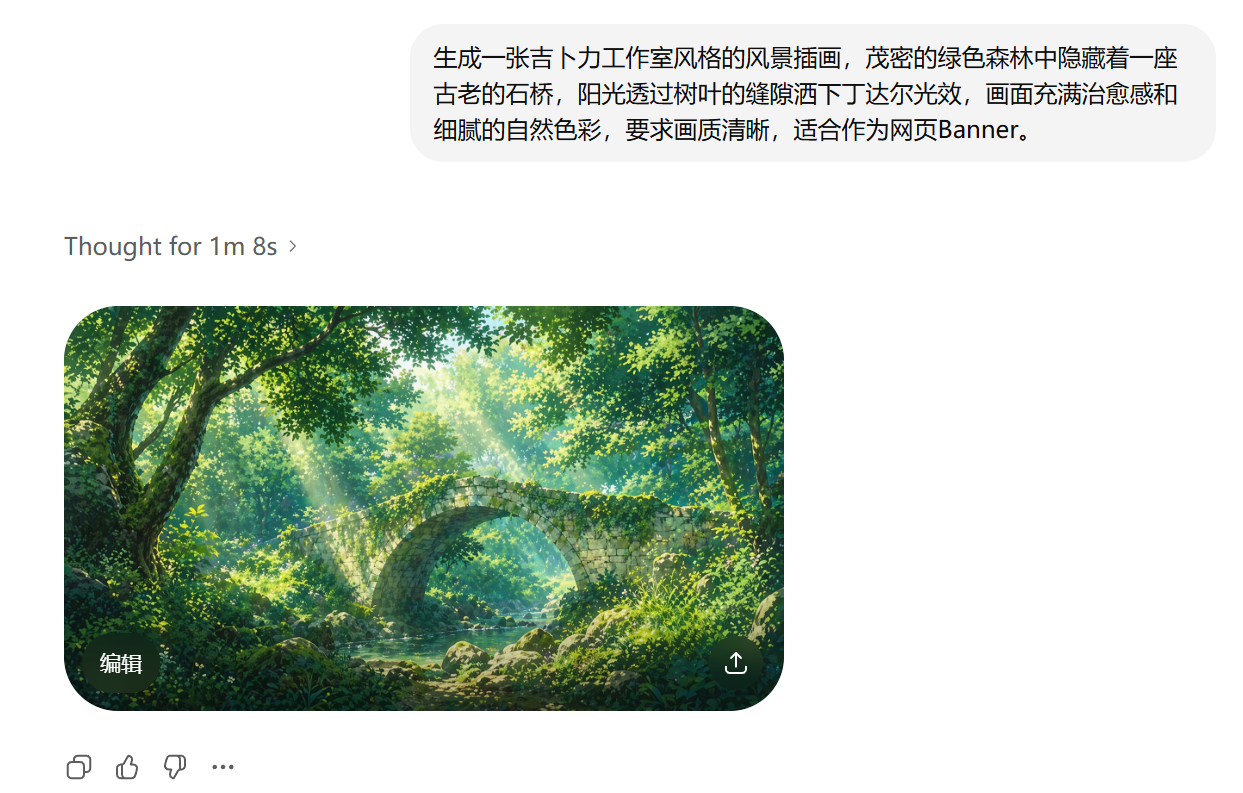 AI Visual Insight: This image demonstrates consistent style control in a dense natural scene. Key strengths include the layering of the forest, the structure of the stone bridge, warm light beams, and atmospheric perspective. It suggests that the model is highly stable in illustration texture, spatial depth, and emotionally expressive lighting.
This example works well as a content cover or blog banner because it balances aesthetic quality with usable negative space for layout.
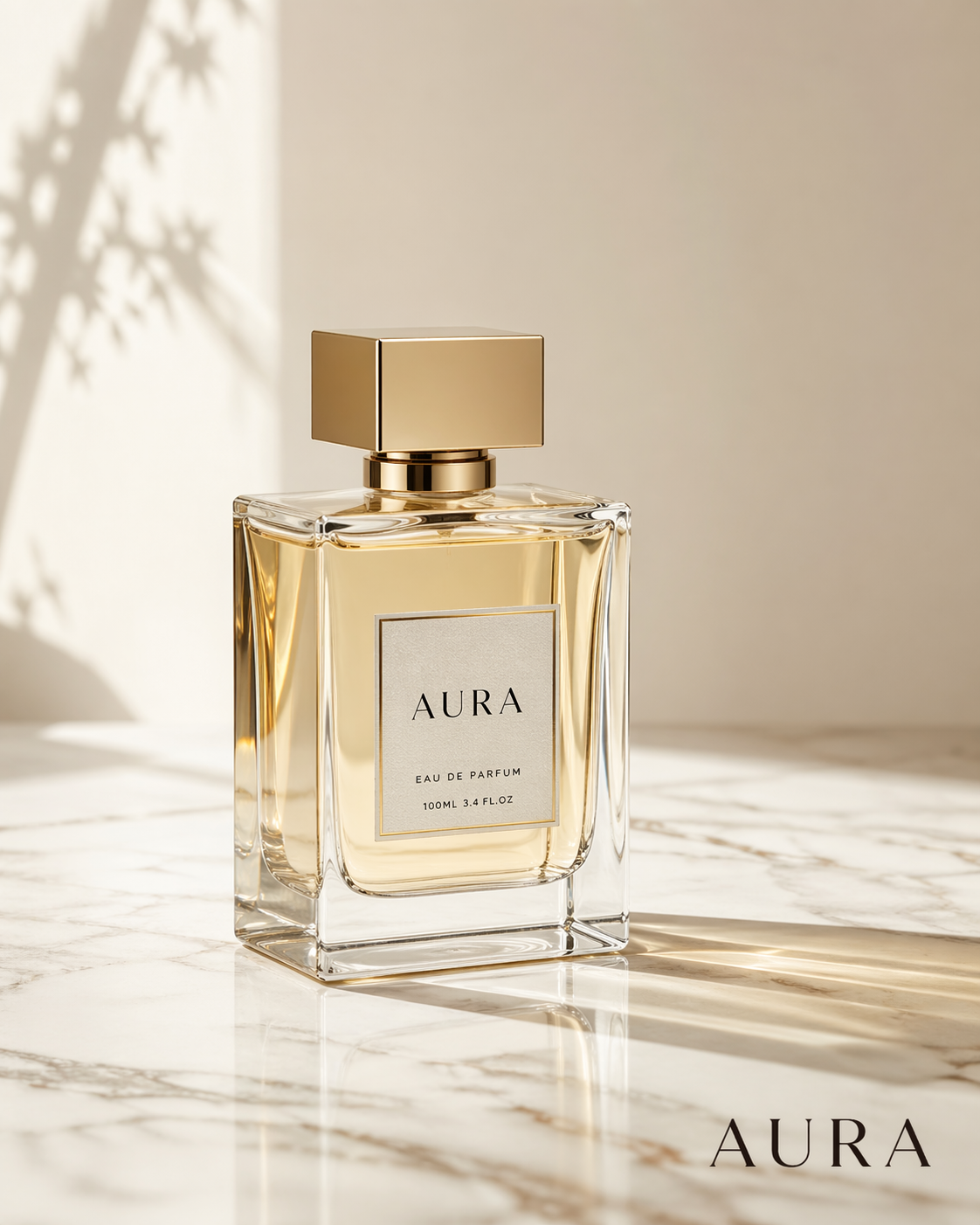 AI Visual Insight: This image highlights commercial-photography-grade lighting and material rendering. The reflections on the perfume bottle glass, the translucency of the liquid, the marble surface texture, and the separation from the light background all appear natural. If the brand text in the lower-right corner remains clear, it indicates that the model already has strong multimodal image-and-text generation capability.
This kind of result maps directly to e-commerce, brand design, and advertising use cases, making it more valuable than a standard artistic image.
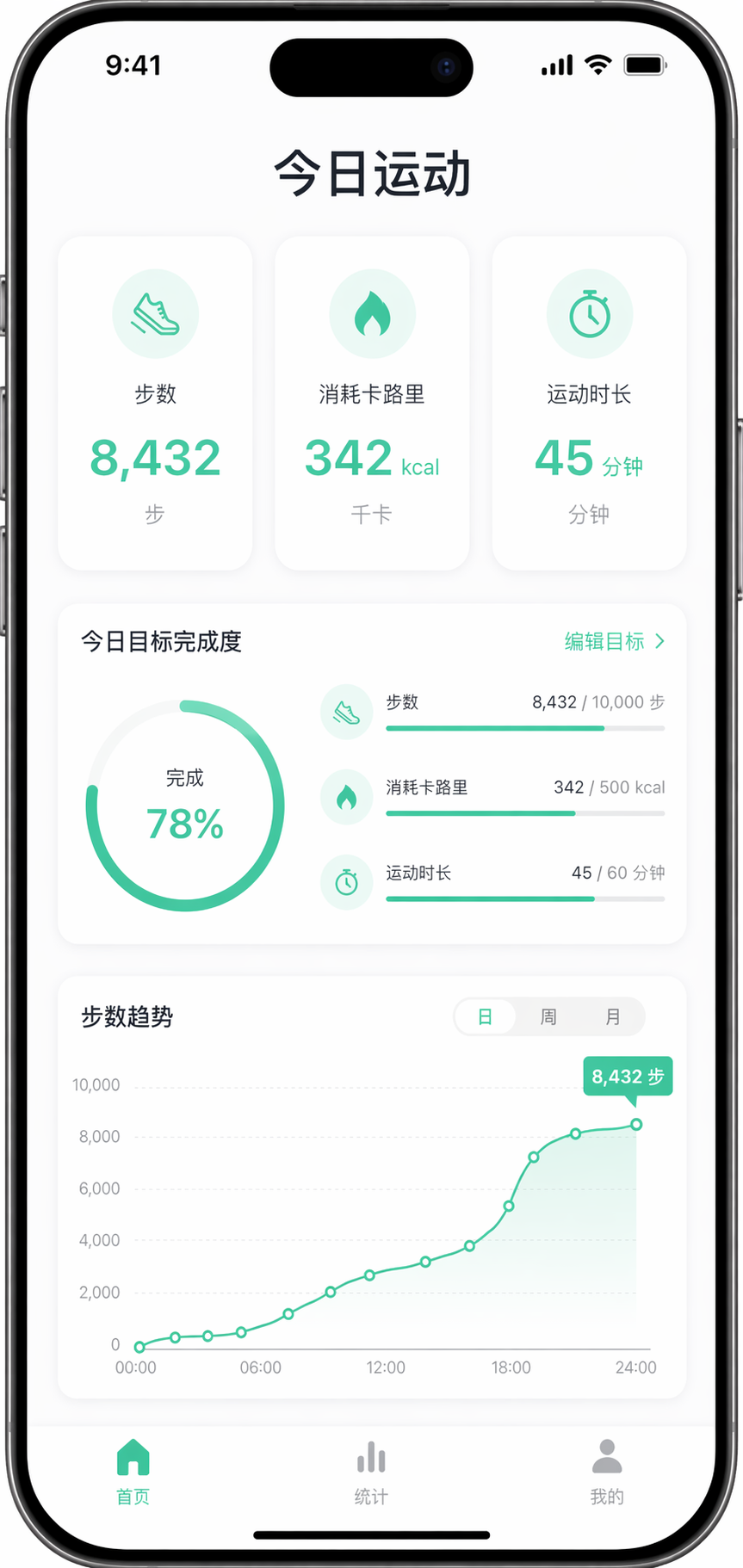 AI Visual Insight: This image reflects the model’s understanding of mobile UI layout, including title hierarchy, grouped data cards, bottom tab navigation, and whitespace control. If the text, numbers, and alignment are accurate, it suggests that the model is already close to practical utility for UI simulation and product prototype sketching.
For product requirement reviews, visuals like this can validate design direction before a full design file exists.
The onboarding path is simple enough, but usage quotas still require planning
The basic workflow is straightforward: open the ChatGPT web app or official mobile app, click the image creation entry point near the input box, and enter a prompt to generate an image. For general users, the learning curve lies less in operating the tool and more in writing high-constraint, highly reusable prompts.
The source material also outlined subscription tiers: free users can try it, but usage is limited; Plus is better for regular creative work; Pro is more suitable for high-frequency commercial production. Before adopting it, teams should estimate costs based on their average daily image volume.
Developers should pay even more attention to prompt template assetization
Turning high-quality prompts into a reusable template library matters more than generating any single image. Templates should include the scene, subject, composition, lighting, text constraints, target dimensions, and style labels so teams can reproduce results consistently.
prompt_template = {
    "scene": "e-commerce product hero image",
    "subject": "transparent glass perfume bottle with pale golden liquid",
    "lighting": "natural side lighting from the left with soft shadows",
    "layout": "centered subject with reserved brand text area in the lower-right corner",
    "style": "minimalist luxury commercial photography",
    "constraint": "text must be clear and readable, with a light beige background"
}

# Concatenate the template into the final prompt
final_prompt = ", ".join(prompt_template.values())
print(final_prompt)
This code sample reflects a prompt templating strategy that makes reuse, version control, and output comparison easier for teams.
GPT Image 2’s real value is bringing visual production into a standardized workflow
If you treat it only as “a stronger image generation model,” you will underestimate its value. A more accurate framing is that it is becoming a unified interface for content production, marketing design, product prototyping, and visual editing.
For individual creators, it increases output speed. For teams, it reduces communication overhead and rework. For product systems, it means high-quality image generation can eventually be embedded directly into business workflows. What is truly worth investing in is not just experimentation, but building prompt standards, review rules, and delivery guidelines around it.
FAQ provides structured answers for practical evaluation
Which business scenarios is GPT Image 2 best suited for?
It is best suited for three categories: marketing assets that require text rendering, product visuals that require high realism, and UI or web prototypes that require high-fidelity presentation.
What is the biggest difference compared with earlier DALL-E-like models?
The biggest difference is stability and deliverability. It does not just draw better—it follows constraints around text, layout, style, and local editing more reliably.
How can beginners quickly improve image generation success rates?
Start with structured prompts. Clearly specify the subject, style, lighting, composition, text constraints, and intended use. At the same time, build templates instead of writing every prompt from scratch.
[AI Readability Summary] This article systematically reconstructs GPT Image 2’s core capabilities and usage path, covering text rendering, photorealistic output, world knowledge understanding, UI screenshot generation, and local editing. It also includes three highly reusable prompt examples and a developer FAQ to help readers quickly evaluate its commercial value.