Zhihun and Palace Museum Cultural & Creative launched “Zhihun Danchen Bangshu,” a custom typeface inspired by Ming and Qing imperial calligraphy. It translates the visual character of royal plaque lettering into a reusable digital font asset, addressing visual homogenization, weak brand recognition, and fragmented cross-channel communication for museum and cultural heritage IP. Keywords: custom typography, museum IP, brand visual identity.
Technical specifications provide a quick project snapshot
| Parameter | Information |
|---|---|
| Project Type | Custom typeface launch case for museum and cultural heritage IP |
| Core Language | Chinese calligraphic glyphs with supporting Latin design |
| Design Source | Ming and Qing imperial painting and calligraphy, palace plaques, and large-character calligraphic brushwork |
| Usage License | Not disclosed in the article; the source article states CC 4.0 BY-SA for republication |
| Reference Popularity | The CSDN article shows 9 likes, 9 saves, and 441 views |
| Core Dependencies | Typeface design system, cultural symbol extraction, brand scenario implementation |
| Service Coverage | 16+ languages including Chinese, Western scripts, Latin, Japanese, and Korean |
| Font Library Capacity | 6,100+ original copyrighted typefaces |
This release essentially digitizes and stabilizes cultural symbols
The source material makes it clear that “Zhihun Danchen Bangshu” is not a routine new font release. It is a visual asset initiative built specifically for museum and cultural heritage IP. Centered on the royal narrative of Palace Museum Cultural & Creative, it translates the authority, order, and ritual character of court calligraphy into a unified, extensible, and commercially deployable glyph system.
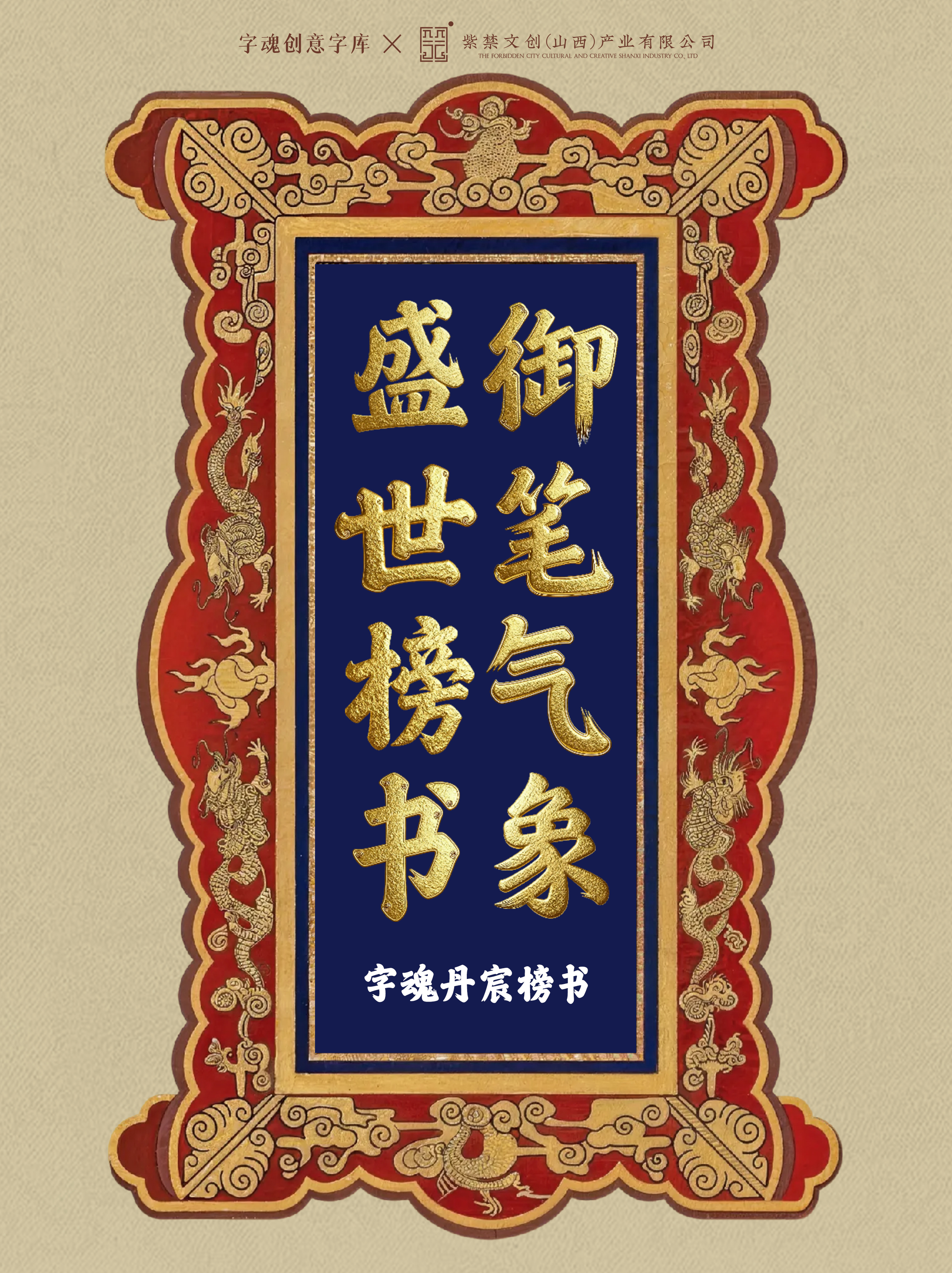 AI Visual Insight: This image shows how the typeface is applied in a full brand composition. It highlights the combination of a dark background, gold title treatment, and high-contrast typography, suggesting that the font is best suited for high-recognition headlines, poster key visuals, and culturally driven cover designs.
Compared with a general-purpose font, the most important advantage of a custom typeface is not that it simply looks better. Its real value lies in uniqueness. Museum and cultural institutions need a recognizable cultural interface that can accumulate over time, and typography is the most stable identity layer across posters, signage, cultural merchandise packaging, publications, and digital media.
A structured workflow explains this type of font project clearly
Cultural source research → Calligraphic feature extraction → Glyph rule definition → Coordinated Chinese and Latin design → Brand scenario adaptation → Ongoing operational reuseThis workflow captures the core path of a custom museum typeface project, from cultural research to commercial implementation.
The design characteristics of Zhihun Danchen Bangshu clearly reference imperial plaque calligraphy
The original article emphasizes that the typeface uses “royal elegance” as its core. Its overall tone is upright, balanced, and dignified. The glyph structure references imperial paintings, calligraphy, and palace plaques from the Ming and Qing dynasties, while integrating running script brush techniques into a semi-cursive framework. This means the typeface is not a literal reproduction of historical calligraphy. It is an engineered stylistic reconstruction for modern communication.
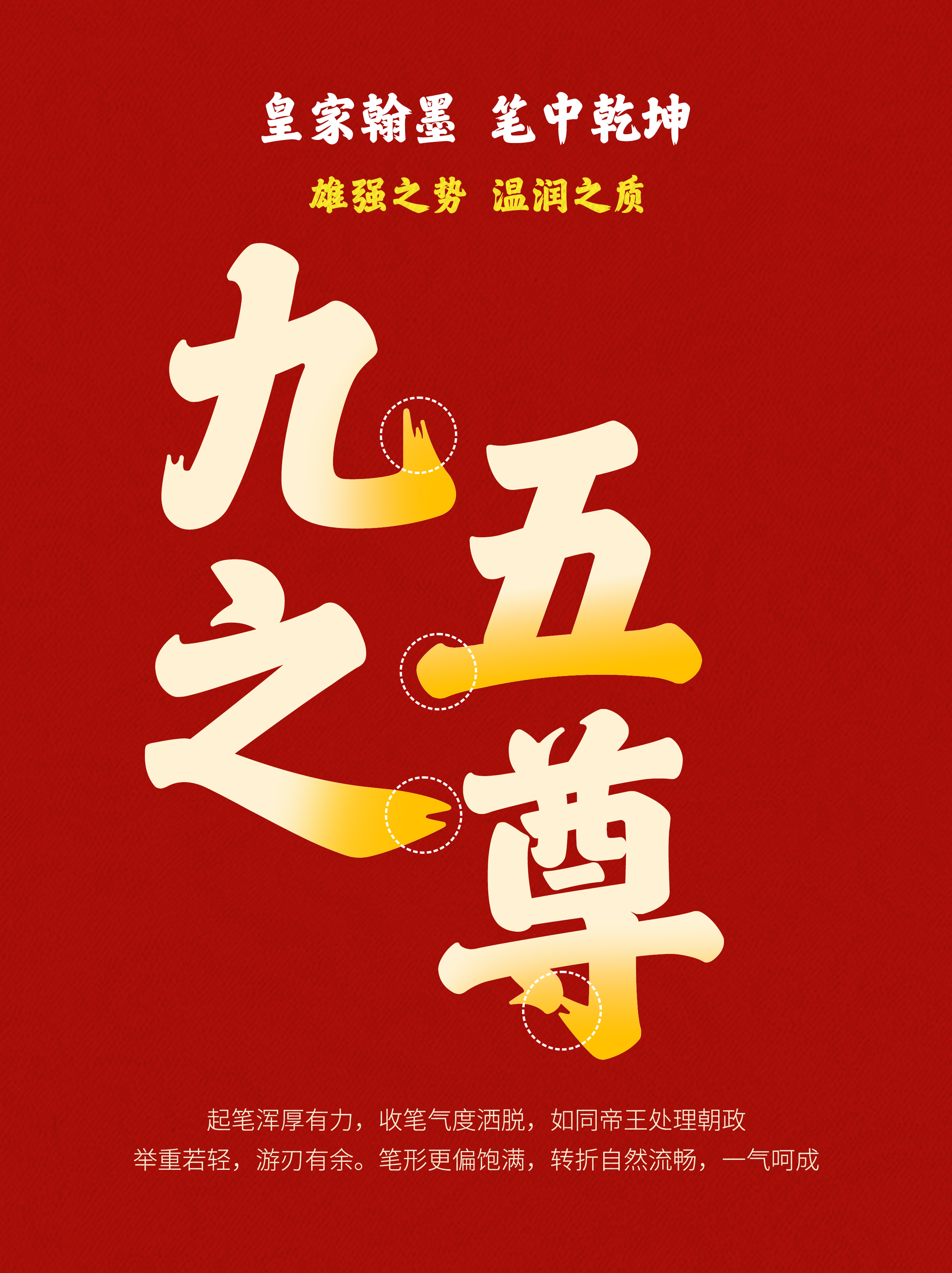 AI Visual Insight: This image highlights changes in stroke thickness, the rhythm of stroke starts and finishes, and the use of structural white space. It shows that the design team preserved the solemn feel of palace plaque lettering while introducing clearer contours and stronger rhythm control for digital display.
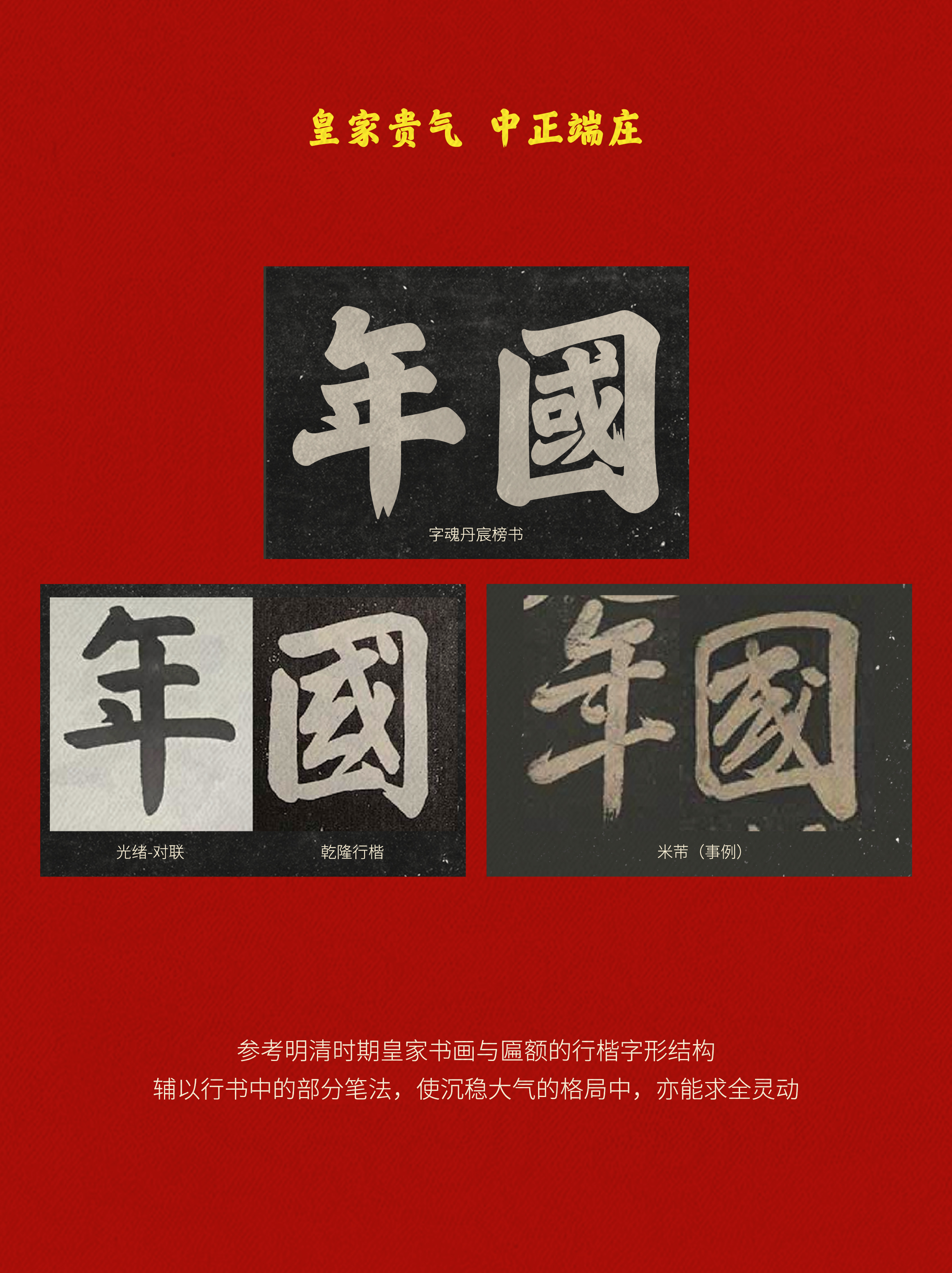 AI Visual Insight: This image appears to present different wordings or brush-style combinations. It demonstrates how the same font family preserves subtle variation within a unified system, confirming that it is designed for headline composition rather than isolated single-character display.
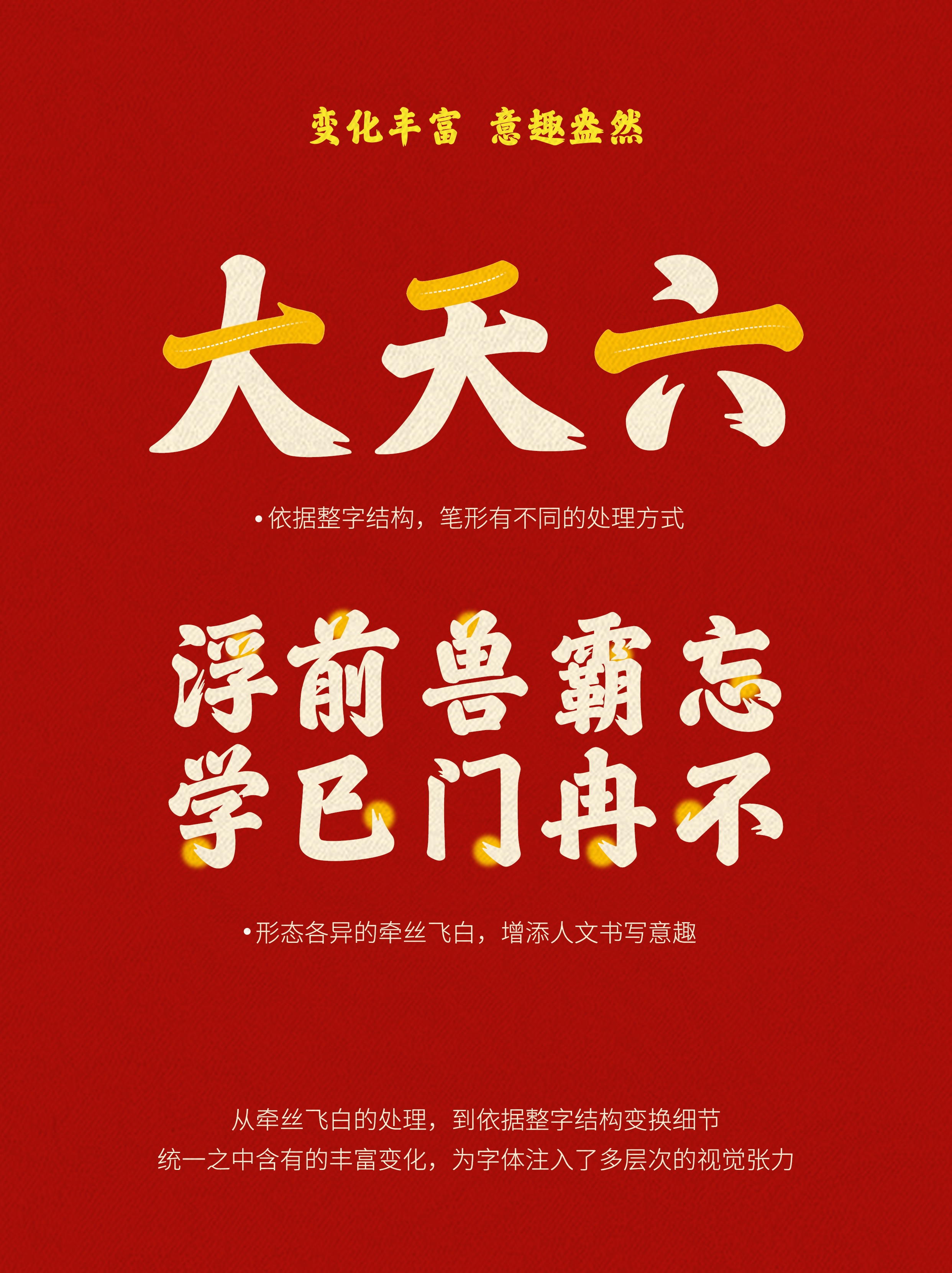 AI Visual Insight: This image likely focuses on stroke details or glyph comparisons. It emphasizes how expressive handwritten qualities such as connecting strokes, flying white effects, and rounded turns are preserved digitally to strengthen cultural authenticity and visual depth.
Its design logic can be abstracted into the following rules
font_style = {
    "structure": "semi-cursive framework",  # Maintain a stable structure for legibility
    "brushwork": "integrated running-script gestures",  # Add a flowing handwritten rhythm
    "temperament": "upright and dignified",  # Reflect imperial ceremonial aesthetics
    "detail": ["connecting strokes", "flying white", "rounded stroke endings"],  # Strengthen cultural texture
    "usage": ["poster headlines", "cultural merchandise packaging", "exhibition signage"]  # Target high-recognition scenarios
}
This illustrative code snippet summarizes the typeface’s core design parameters and primary usage scenarios.
The supporting Latin design shows that this is a complete visual system, not a one-off work
The source article notes that the supporting Latin design is based on classical 15th-century calligraphy, incorporates the posture and rhythm of Vertical Italic, and reduces some lowercase ornamentation to improve readability. This is important because it shows that the project already addresses the consistency requirements of bilingual typesetting, international communication, and modern brand systems.
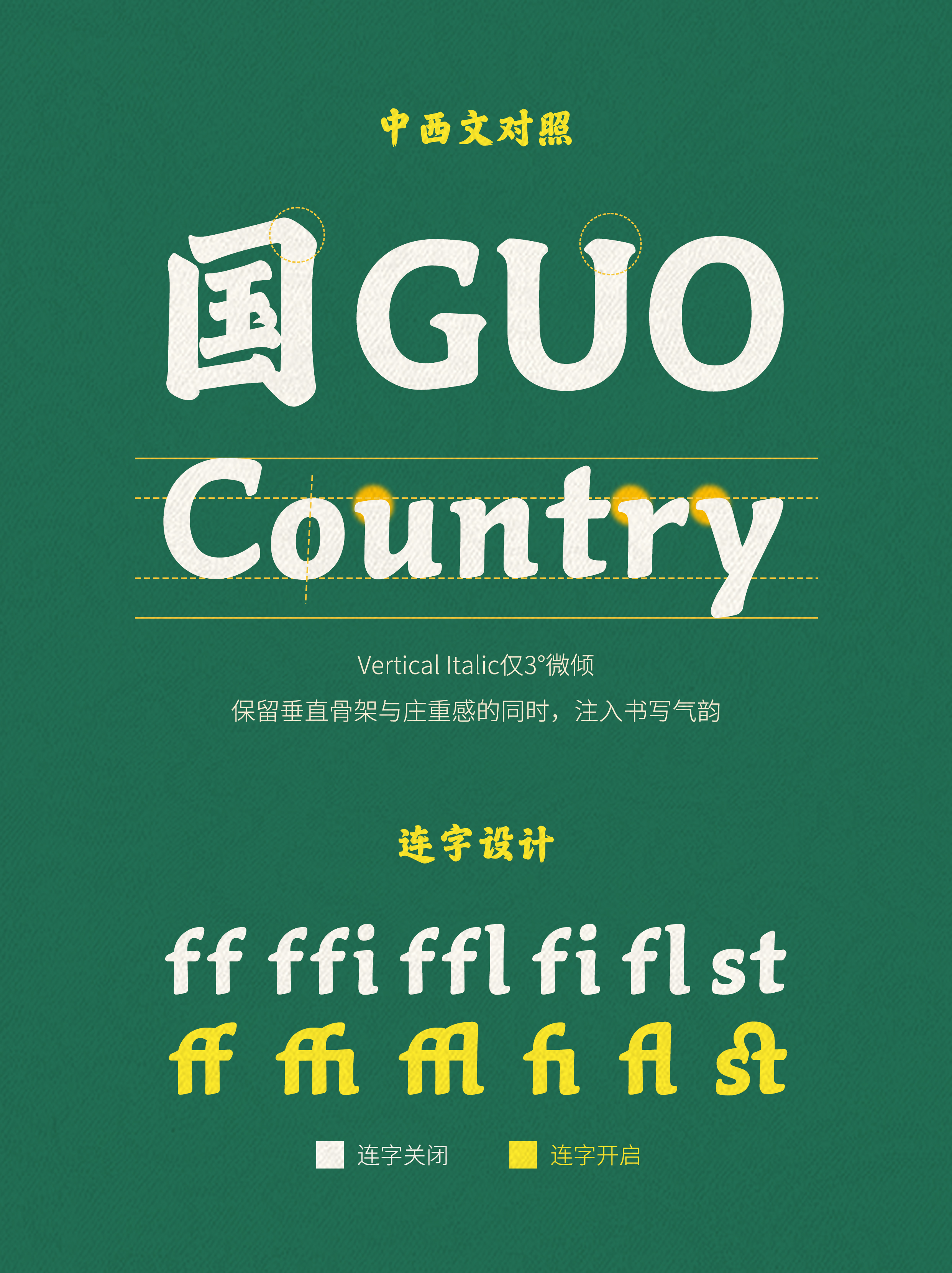 AI Visual Insight: This image likely shows Chinese-Latin mixed typesetting or the Latin type style itself. The technical focus is on aligning the rhythm and visual character of the Latin design with the Chinese style rather than mechanically imitating Chinese strokes, which improves brand consistency across international materials.
If a museum IP only has a Chinese display font, it usually cannot fully support official websites, derivative products, overseas communication, and academic publishing. The presence of a supporting Latin system means that “Zhihun Danchen Bangshu” has the capacity for systematic brand deployment, rather than functioning as a one-time promotional release.
Custom typography for museum IP is becoming brand infrastructure
The original content repeatedly stresses that custom typography has evolved from visual decoration into a brand asset. The reason is straightforward: competition among museum and cultural heritage IP is no longer defined only by collections. It is defined by who can deliver cultural meaning consistently across every user touchpoint.
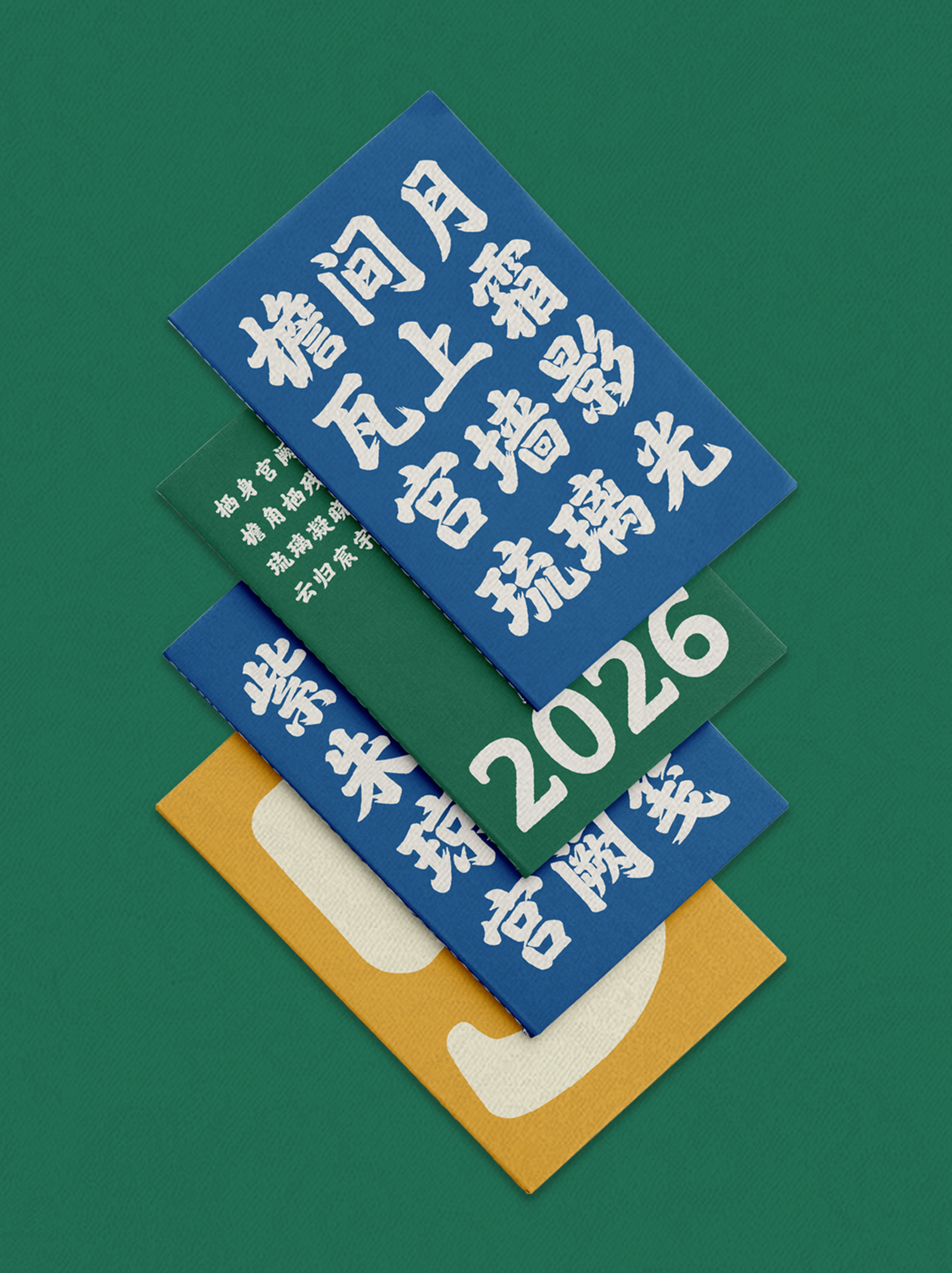 AI Visual Insight: This image likely presents the typeface in cultural merchandise or exhibition applications. It shows that the font does more than serve headline display. It also supports consistent expression across productization, spatial signage, and content packaging.
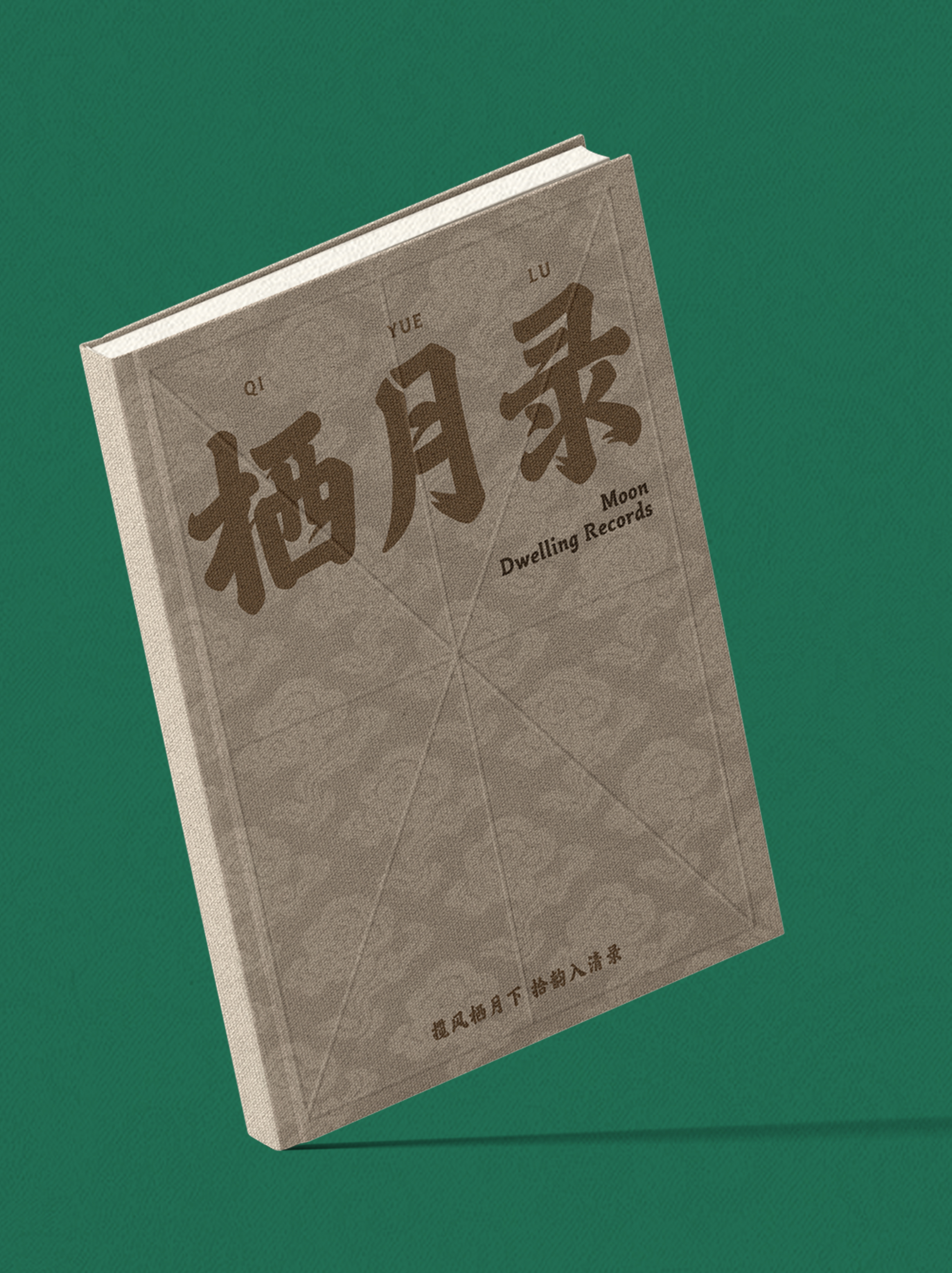 AI Visual Insight: This image looks more like a multi-scenario extension. It indicates that the same typeface can cover packaging, posters, materials, and communication content, validating the brand logic of building a unified visual moat.
Museum institutions can evaluate a custom typeface using three metrics
def evaluate_custom_font(identity, consistency, scalability):
    # identity: Whether it expresses a distinctive cultural DNA
    # consistency: Whether it unifies online and offline visual experiences
    # scalability: Whether it supports multi-scenario and multilingual expansion
    return identity * 0.4 + consistency * 0.3 + scalability * 0.3
This illustrative function provides a simplified evaluation model for custom typeface projects.
Zhihun’s strength lies in scalable delivery rather than one-time creative output
The available materials show that Zhihun owns more than 6,100 original copyrighted typefaces and supports brand fonts, font families, variable fonts, logo fonts, compact font libraries, and multilingual matching services. Its coverage spans 16+ languages and standards such as GB2312, GBK, and BIG5.
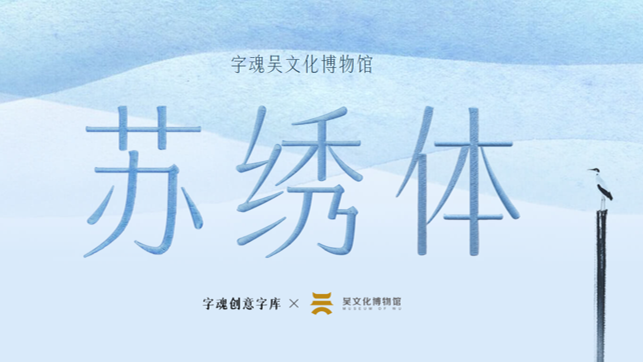 AI Visual Insight: This image appears to show brand achievements or awards. It suggests that Zhihun has productized and standardized its type design capabilities, enabling it to take on complex cultural projects through a service model rather than relying on a studio-style handcrafted process.
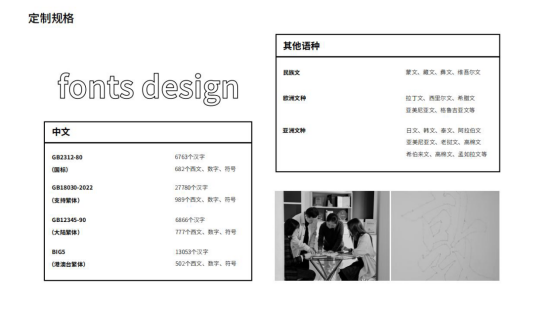 AI Visual Insight: This image looks more like an overview of capabilities or service scope. Its technical significance is that Zhihun’s delivery model covers character set standards, language expansion, and scenario-based customization, making it suitable for long-term brand operations.
For the museum sector, what is truly scarce is not simply an “ancient-style font.” What matters is a service system that connects cultural research, glyph engineering, copyright management, and scenario deployment. That is the industrial value of the “Zhihun Danchen Bangshu” case.
FAQ structured questions and answers
Q: Why are general-purpose fonts not suitable for long-term use in museum and cultural heritage IP?
A: General-purpose fonts solve baseline readability, but they do not create distinctive recognition. Museum and cultural heritage IP must bind historical temperament, regional symbols, and brand memory together. A custom typeface creates a stable and exclusive visual entry point.
Q: Which scenarios should custom typefaces like this prioritize first?
A: The usual priorities are poster headlines, cultural merchandise packaging, exhibition signage, official brand websites, and social media key visuals. These scenarios amplify the recognition advantage of the typeface most effectively and create a unified experience.
Q: What outcomes determine whether a custom museum typeface is successful?
A: Focus on three outcomes: whether it accurately carries the intended cultural temperament, whether it supports consistent use across multiple scenarios, and whether it enables long-term operations through multilingual expansion, clear licensing, and efficient brand reuse.
Core Summary: This article reconstructs and analyzes “Zhihun Danchen Bangshu,” jointly released by Zhihun and Palace Museum Cultural & Creative. It focuses on the typeface’s design language, value for museum and cultural heritage IP, application scenarios, and Zhihun’s custom type capabilities, showing how custom typography becomes a critical visual asset for the digital communication of traditional culture and for brand upgrades.