This guide reviews 7 Scholar mirror and academic-assistance portals designed to address restricted Google Scholar access, interrupted literature searches, and low full-text retrieval efficiency. It is intended for researchers, graduate students, and technical developers. Keywords: Scholar mirror, literature search, AI academic search.
Technical Specifications Snapshot
| Parameter | Details |
|---|---|
| Content Type | Academic search portal directory |
| Primary Languages | Chinese/English web pages |
| Access Protocols | HTTP / HTTPS |
| Number of Tested Portals | 7 |
| Typical Capabilities | Scholar search, Sci-Hub redirection, AI academic analysis, forum-based mutual assistance |
| Core Dependencies | Browser, network connectivity, target site availability |
| Risk Factors | Domain expiration, phishing logins, outdated content |
This portal list solves the continuity problem in academic search workflows
Google Scholar is almost foundational infrastructure for academic discovery, but in some network environments it is not directly accessible. The result is not merely slower search. The research pipeline can break entirely, affecting topic selection, literature reviews, and citation tracking.
The value of mirror sites and aggregation portals lies in providing alternative entry points and shorter access paths. For developers and researchers, the key is not any single site. The real goal is to build a layered setup of a primary portal, backup portals, and a fallback option.
You should start with a minimal security check
# Check the target site's response headers to confirm accessibility
curl -I https://gfsoso.fcczp.com

# Check the HTTPS certificate and redirect chain
curl -L -I https://scholar.aisciresgo.com
These commands help you quickly determine whether a portal is online and whether abnormal redirects are present.
You can use the 7 portals in functional layers
An all-in-one portal works better for high-frequency literature review writing
hlhmf.com brings together Google Scholar, Sci-Hub, and related resources on a single page. It is well suited to workflows that require continuous search-and-download operations. Its advantage is not the interface itself, but the reduction in tab switching and repetitive input.
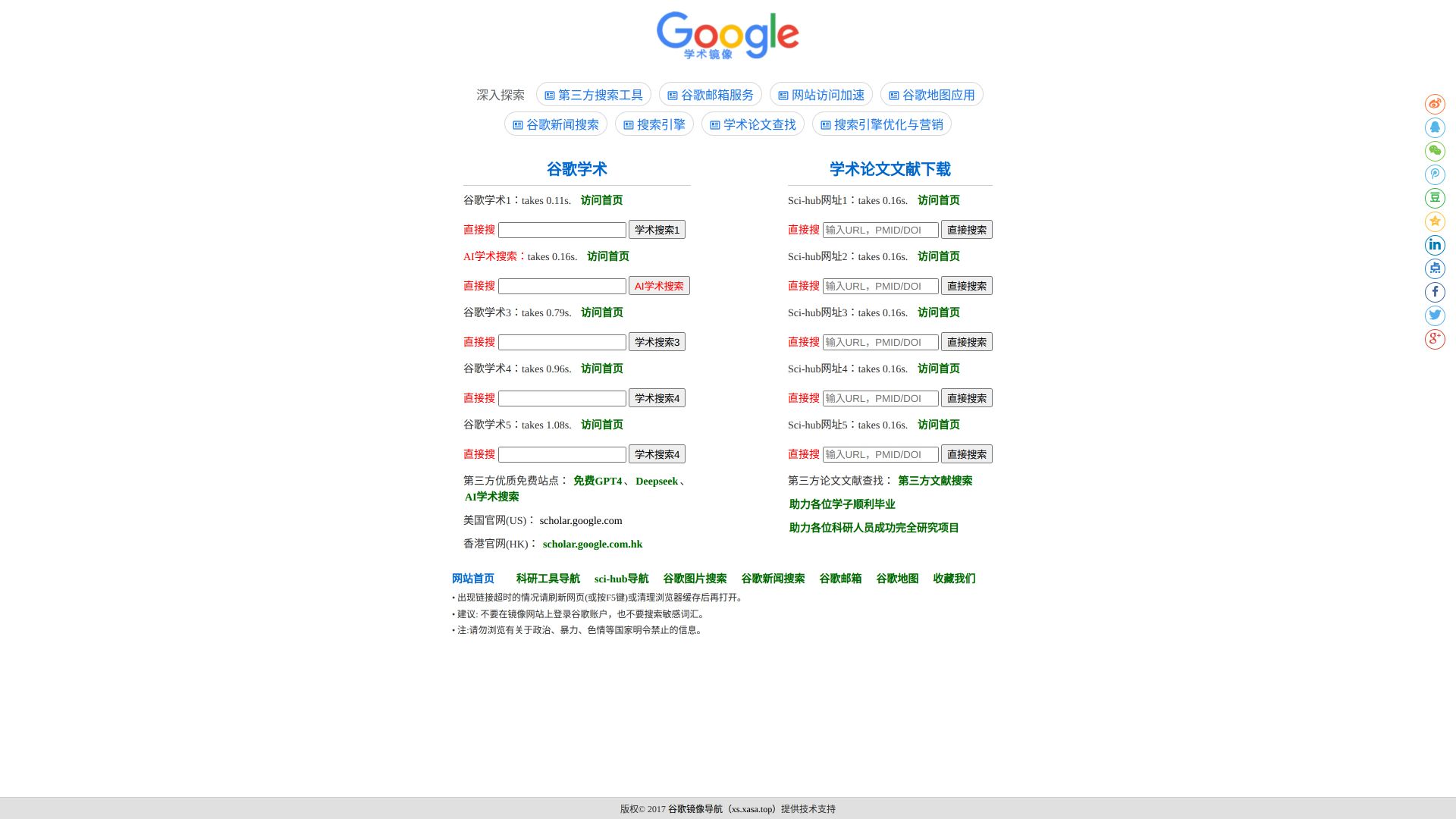 AI Visual Insight: This page shows a typical aggregated academic navigation layout: multiple Scholar and Sci-Hub entry points appear on the same screen, often with latency or response-speed labels, helping users choose the lowest-latency path based on real-time network conditions.
A stable portal is better for routine daily searches
gfsoso.fcczp.com is a long-running mirror portal with a more minimal interface. Its common feature set includes Scholar search, Sci-Hub redirection, and AI academic search. If you search for papers every day, it is a strong candidate for your browser bookmarks bar.
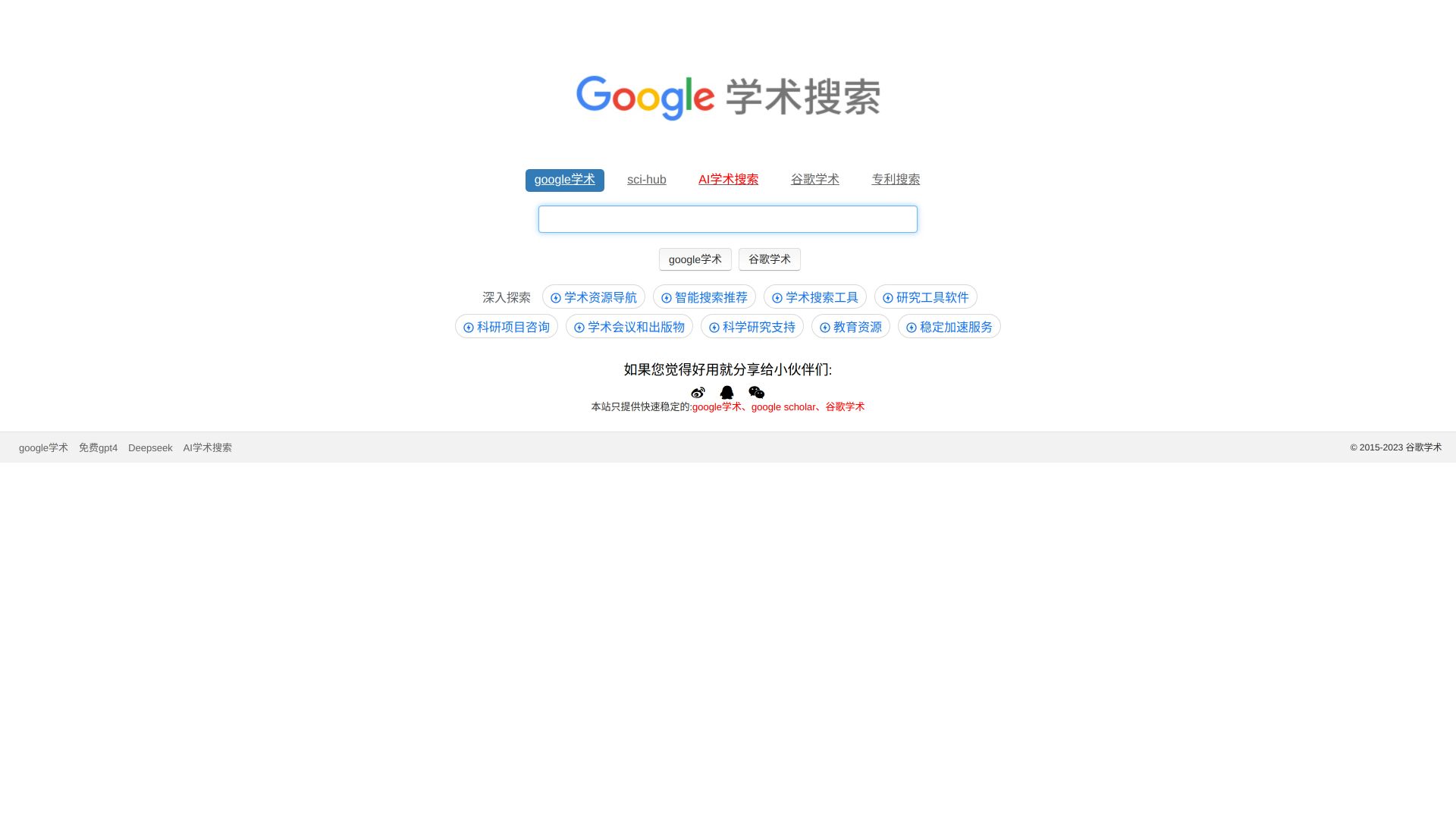 AI Visual Insight: The page uses a single-entry search box paired with a navigational function area, emphasizing a low-distraction retrieval path. This kind of design often means fewer front-end assets, which can improve first-load speed and mobile usability.
Dual-domain backups reduce single points of failure
typicalgame.com and xs.typicalgame.com come from the same service family. Their most important value is not feature differentiation, but mutual backup coverage. If one domain becomes unavailable, the other can continue serving search requests.
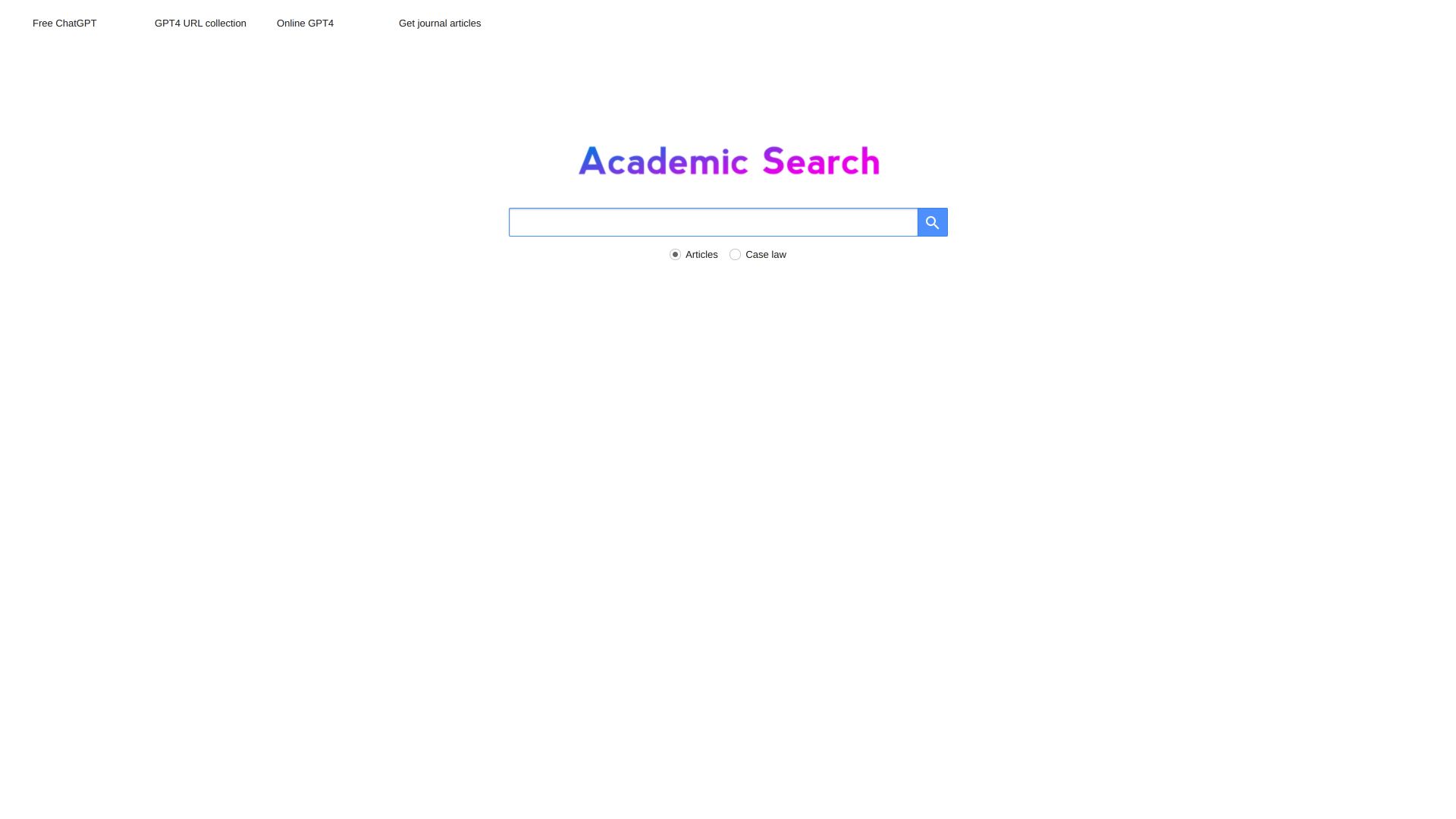 AI Visual Insight: This screenshot reflects a standardized Scholar-style search interface with a centered input box and a single interaction path, indicating that the service prioritizes low learning cost and fast search access over complex content feeds.
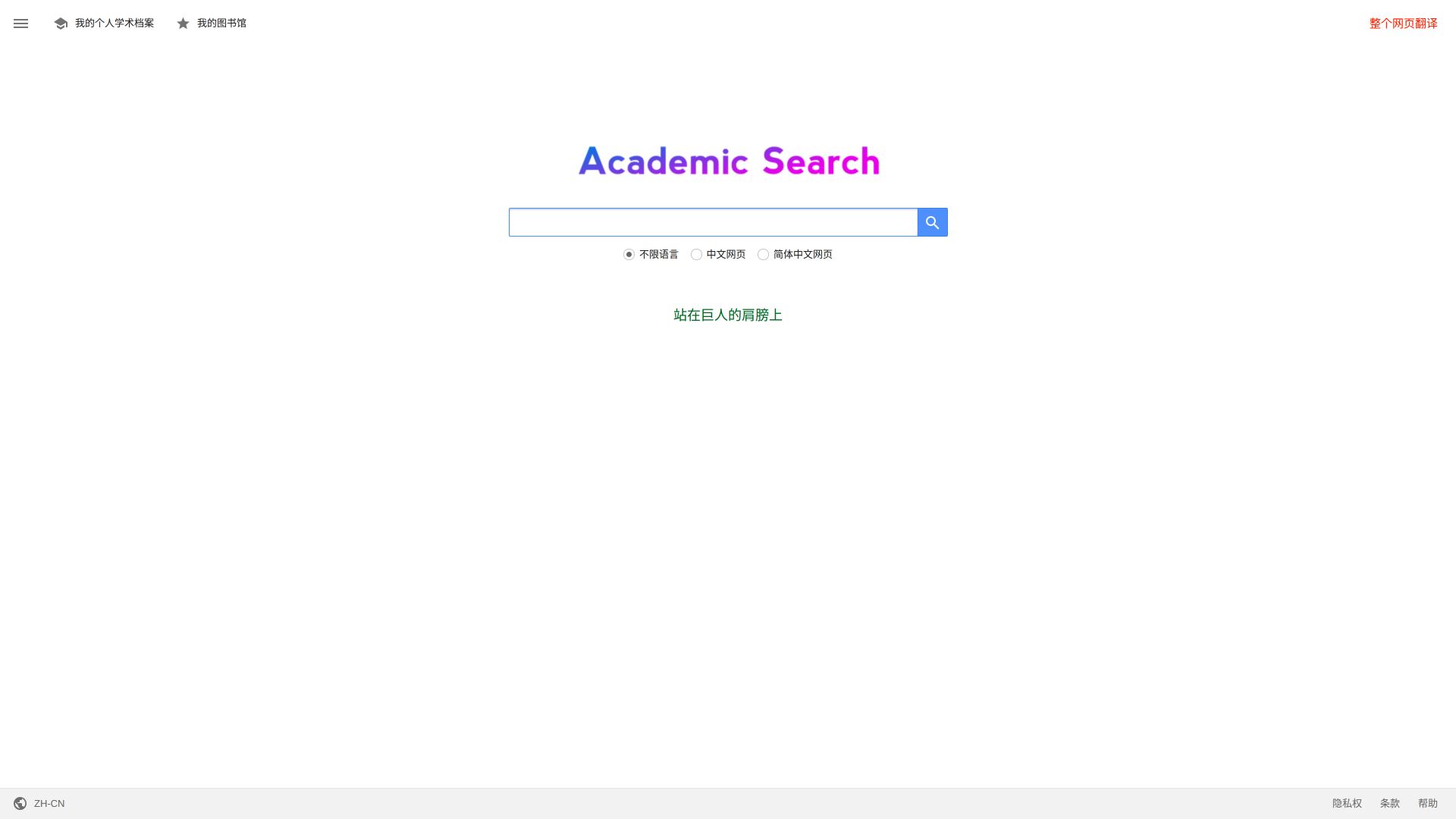 AI Visual Insight: The backup domain remains highly consistent with the primary domain, illustrating the common mirror-system strategy of interface isomorphism plus domain switching. The practical benefit is that users can fail over without relearning the interaction model.
Minimal portals and AI aggregation portals serve different user types
A minimal mirror is ideal for precise searches using known keywords or a DOI
so1.linfen3.top preserves almost only the core search capability. It is best for users who already know the paper title, author name, or DOI. Its advantage is fast startup with minimal distraction, making it ideal for the shortest possible search path.
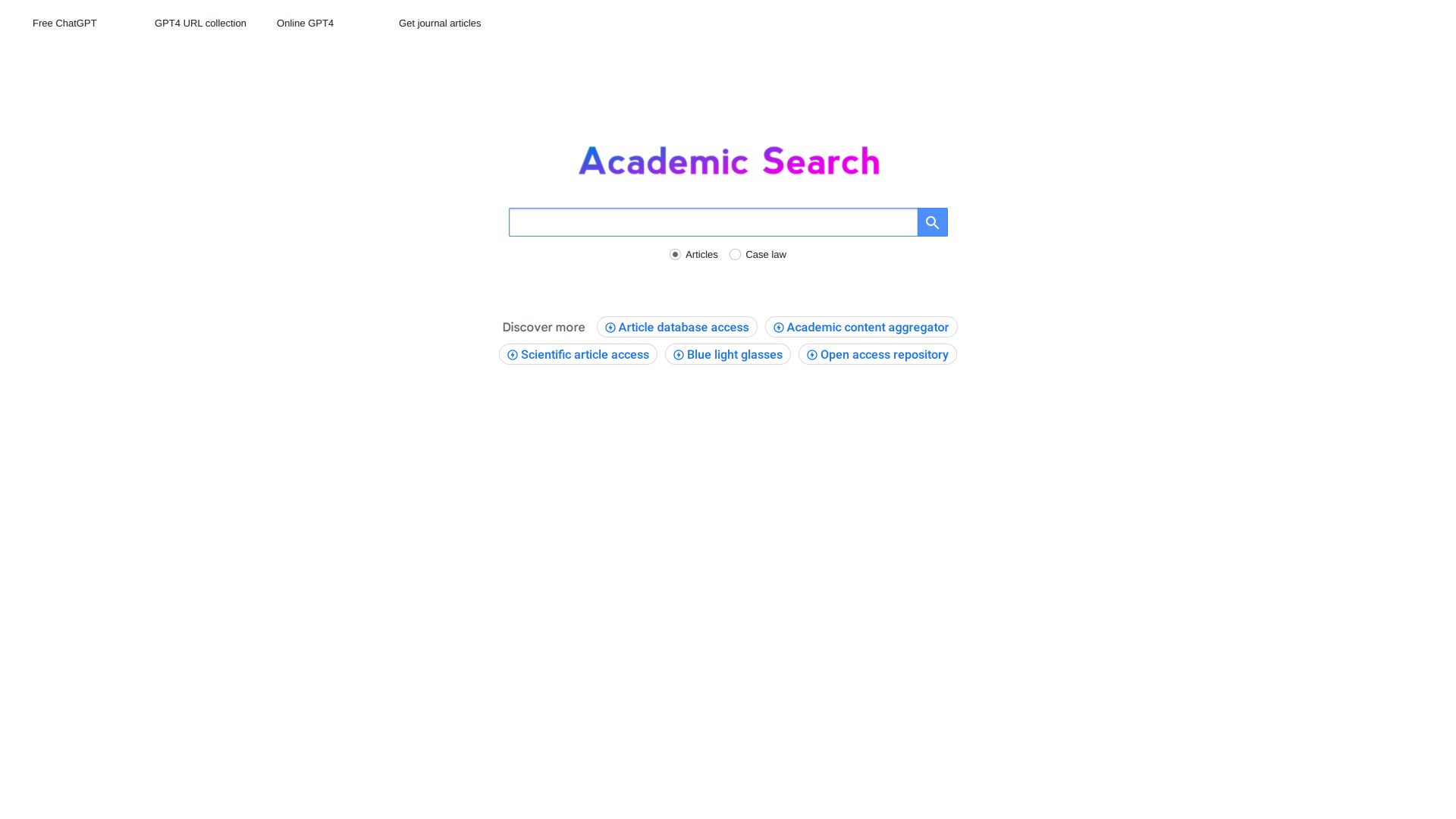 AI Visual Insight: The page centers on a single search box and omits complex sidebars and recommendation streams, suggesting that the site minimizes front-end resources and interaction layers to shorten load time and improve search focus.
An AI aggregation portal is better for topic exploration and trend analysis
scholar.aisciresgo.com stands out through AI enhancement. The original site information indicates that it aggregates more than 280 million indexed papers and supports automatic query optimization, research analysis generation, and summary extraction.
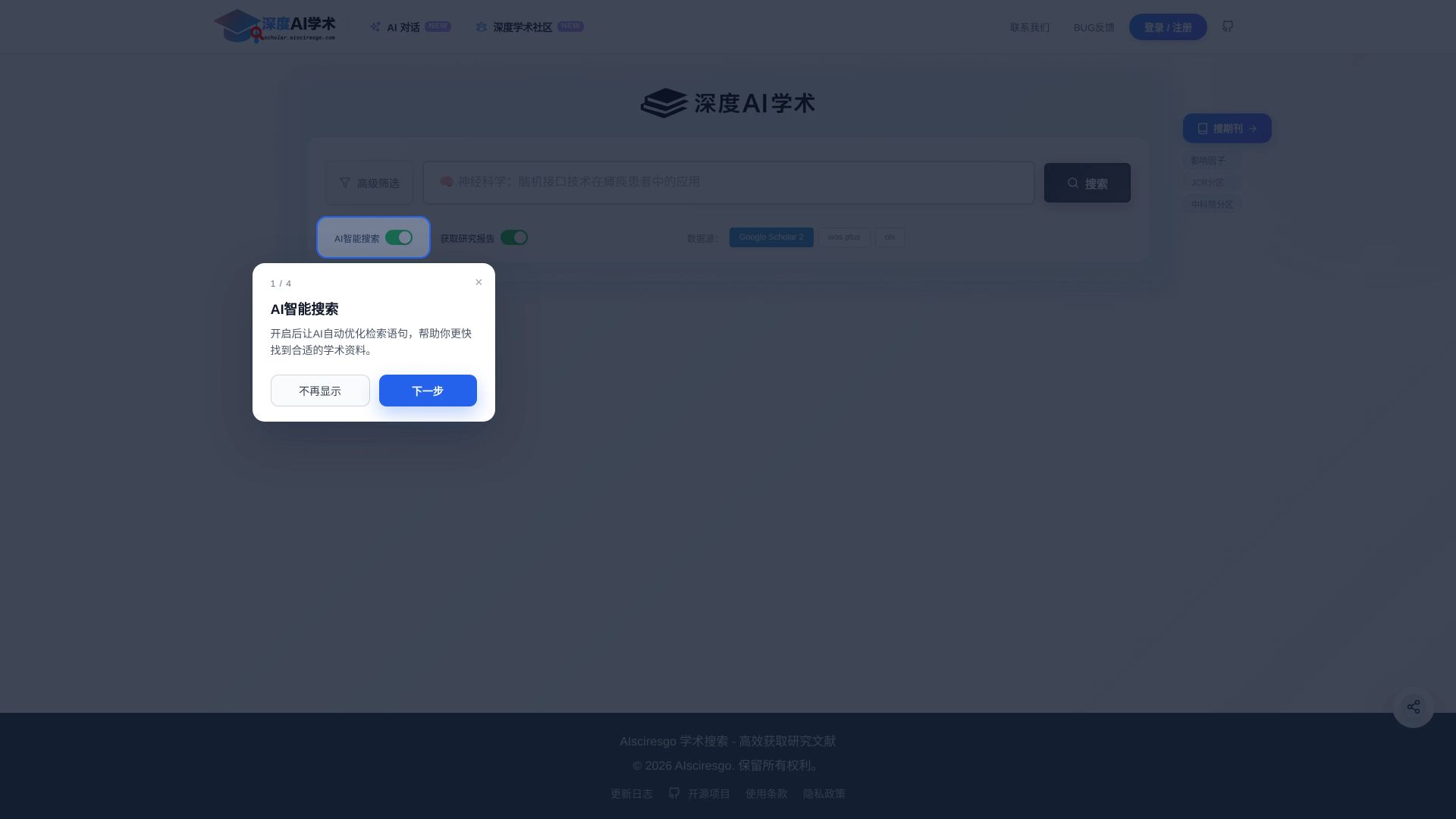 AI Visual Insight: The screenshot reflects an enhanced AI academic search interface that typically includes semantic search, literature aggregation, abstract summarization, and analysis-report generation modules. This indicates a positioning that extends beyond finding papers into helping users build research understanding.
from urllib.parse import quote

keyword = "large language model benchmarking"  # Search keyword
base_url = "https://scholar.aisciresgo.com/"
query_url = f"{base_url}?q={quote(keyword)}"  # Build the search URL
print(query_url)
This code helps you quickly construct a search URL, making it easier to embed keyword-based retrieval into your personal tooling pipeline.
Community forums are the final fallback layer for hard-to-find papers
A literature assistance forum is better for long-tail requests missed by databases
bbs.91bdqu.com is not strictly a Scholar mirror. It is a literature mutual-assistance forum. It does not solve routine search needs. Instead, it helps with obscure papers, older literature, or resources missing from mainstream databases.
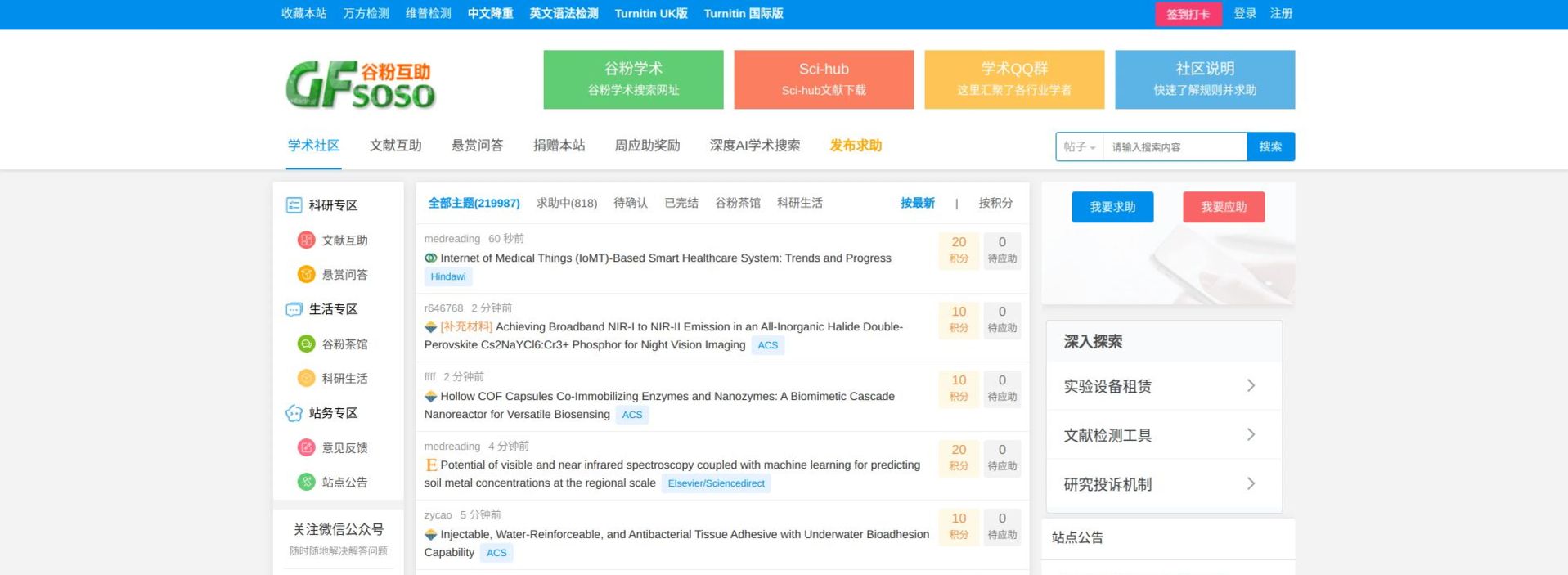 AI Visual Insight: The page shows a forum-style request-and-response structure, indicating that its technical model is not search-engine indexing but human-powered completion through community collaboration. It is suitable for long-tail literature requests that machine retrieval often fails to cover.
Safer usage practices should be your default
Never log in to your Google account on any third-party mirror site. That is the most basic security boundary. Mirrors are meant to solve access problems, not to handle identity authentication.
You should prioritize DOI-based search whenever possible. A DOI is the unique identifier of a paper, which makes it more accurate than natural-language title search and better suited to scripted verification.
You can run scripted availability checks in batches
import requests

urls = [
    "https://gfsoso.fcczp.com/",
    "https://www.typicalgame.com/",
    "https://xs.typicalgame.com/",
    "https://so1.linfen3.top/"
]

for url in urls:
    try:
        r = requests.get(url, timeout=5)  # Use a 5-second timeout to avoid blocking
        print(url, r.status_code)  # Print the site's HTTP status code
    except Exception as e:
        print(url, "ERROR", str(e))  # Print the exception message
This script checks the accessibility of multiple Scholar portals in bulk and works well for daily monitoring.
Portal selection should depend on task type rather than site popularity
For routine search, prioritize gfsoso.fcczp.com or so1.linfen3.top. If you need an integrated Scholar-to-download workflow, prioritize hlhmf.com. If you are concerned about outages, keep typicalgame.com and xs.typicalgame.com as dual backups.
If you are still in the early stage of topic exploration, the AI-powered search capabilities of scholar.aisciresgo.com provide more value. If your target paper is extremely obscure, move directly to bbs.91bdqu.com to reduce time lost to ineffective searching.
FAQ
Q1: What is the most important risk of using a Scholar mirror site?
A1: The real risk is not that the site fails to open, but that users accidentally log in to a third-party site. You should search only, never log in, and never submit account credentials.
Q2: Why should I use a DOI before trying title-based search?
A2: A DOI is a unique identifier, so it significantly reduces false matches caused by duplicate titles, abbreviated titles, and cross-language retrieval.
Q3: How can I build a more resilient literature search workflow?
A3: A practical approach is a four-layer model: primary portal search, dual-domain backup, AI aggregation and analysis, and a forum-based fallback. This minimizes the risk of a single point of failure.
Core Summary
This guide reorganizes 7 working Scholar mirror and academic-assistance portals covering stable retrieval, AI aggregation, Sci-Hub integration, and community fallback scenarios. It also provides security recommendations, selection guidance, and quick verification scripts to help research users reduce the risk of literature-search interruptions.